
SAFARI TIPS FOR FAMILIES
Making East Africa’s wildlife accessible and exciting for all ages
A safari is a magical adventure for the whole family, offering a chance to experience wildlife, nature, and culture together. Children and teenagers can be captivated by the rhythms of the bush, the thrill of spotting elephants, lions, and giraffes, and the stories of the ecosystems around them. But a successful family safari goes beyond seeing animals – it’s about creating engaging experiences that spark curiosity, encourage learning, and leave everyone with unforgettable memories. With careful planning and a few simple strategies, a family safari can become an enriching journey that connects every member to the African wilderness...

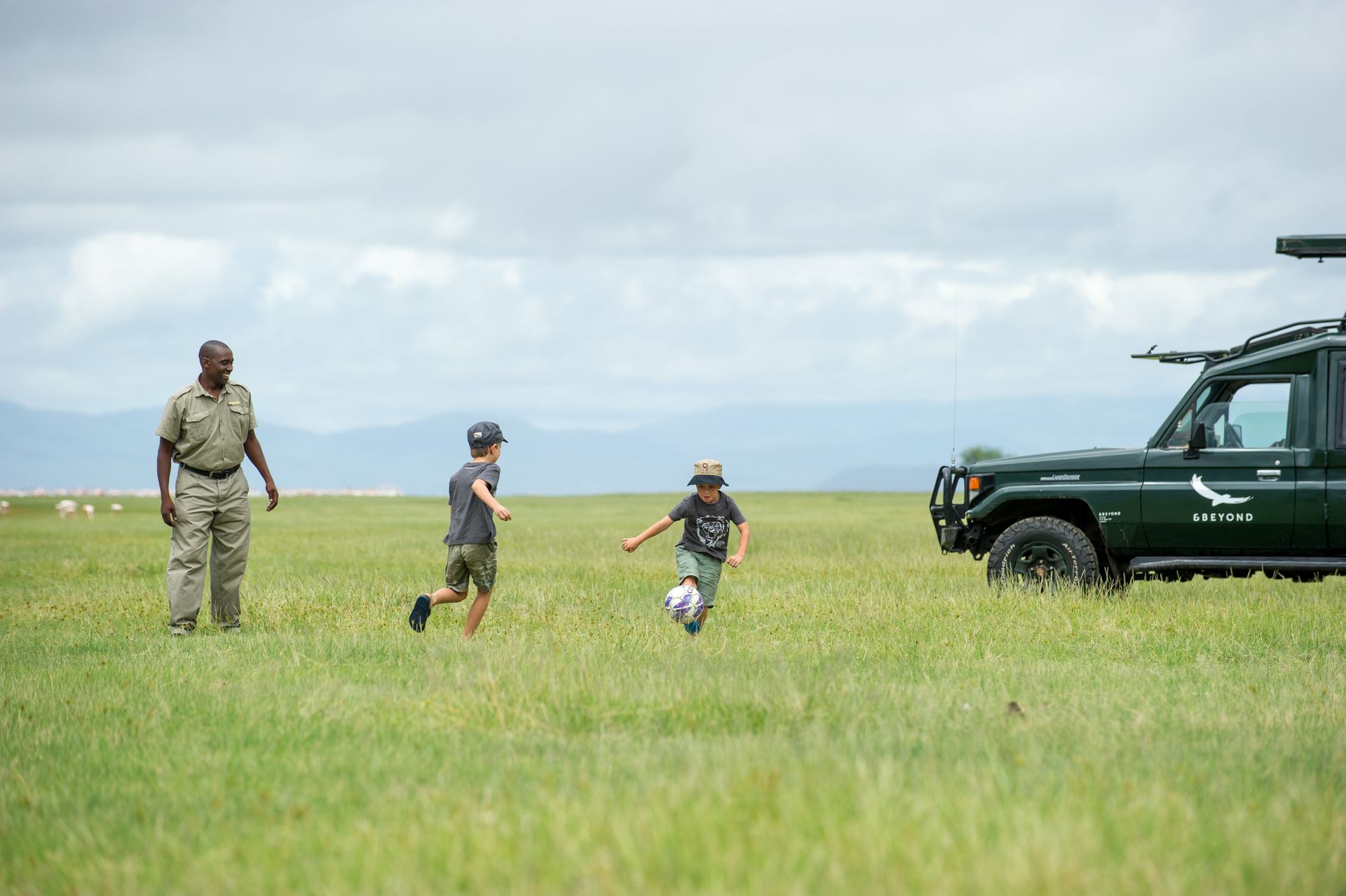
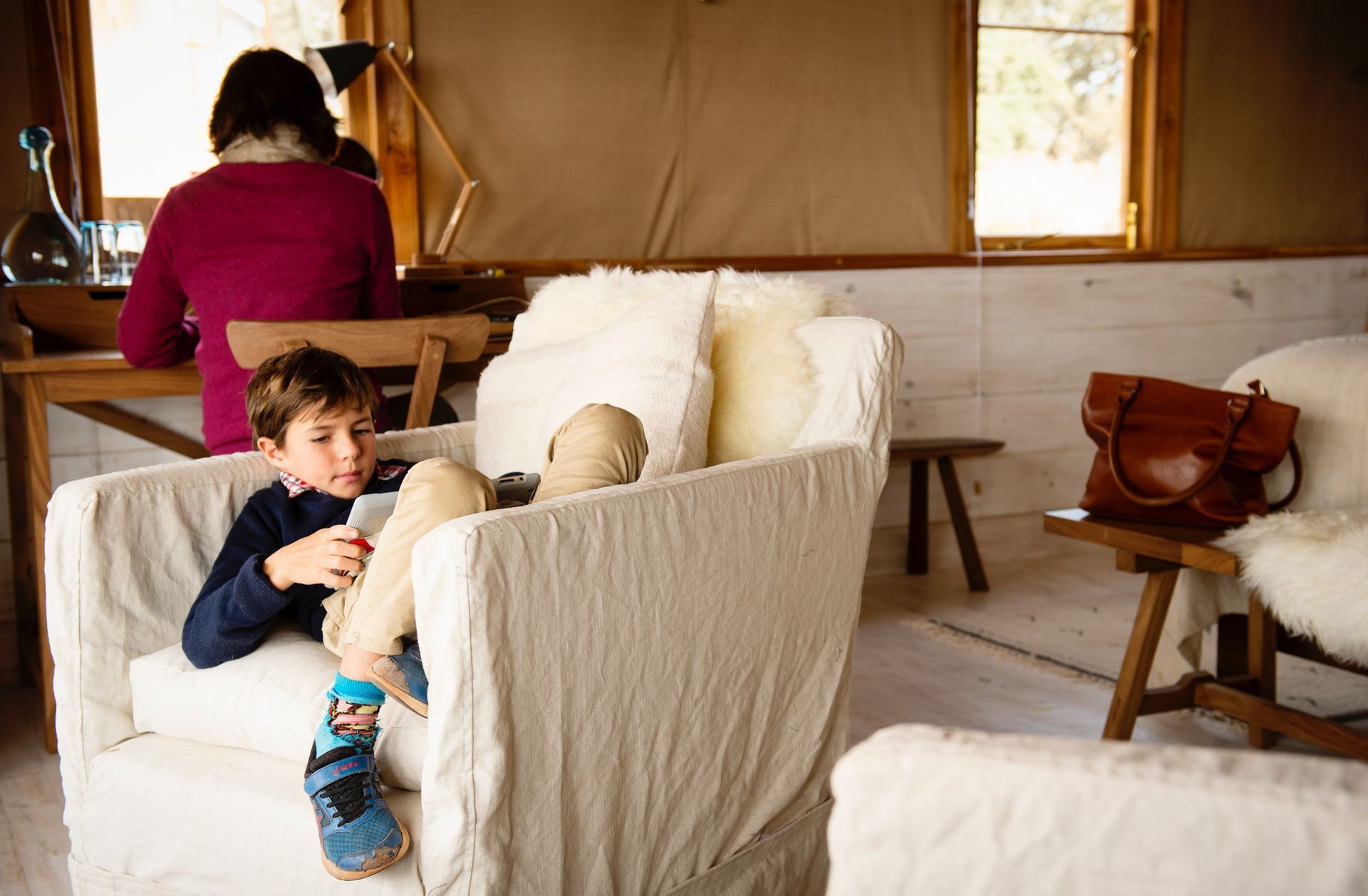
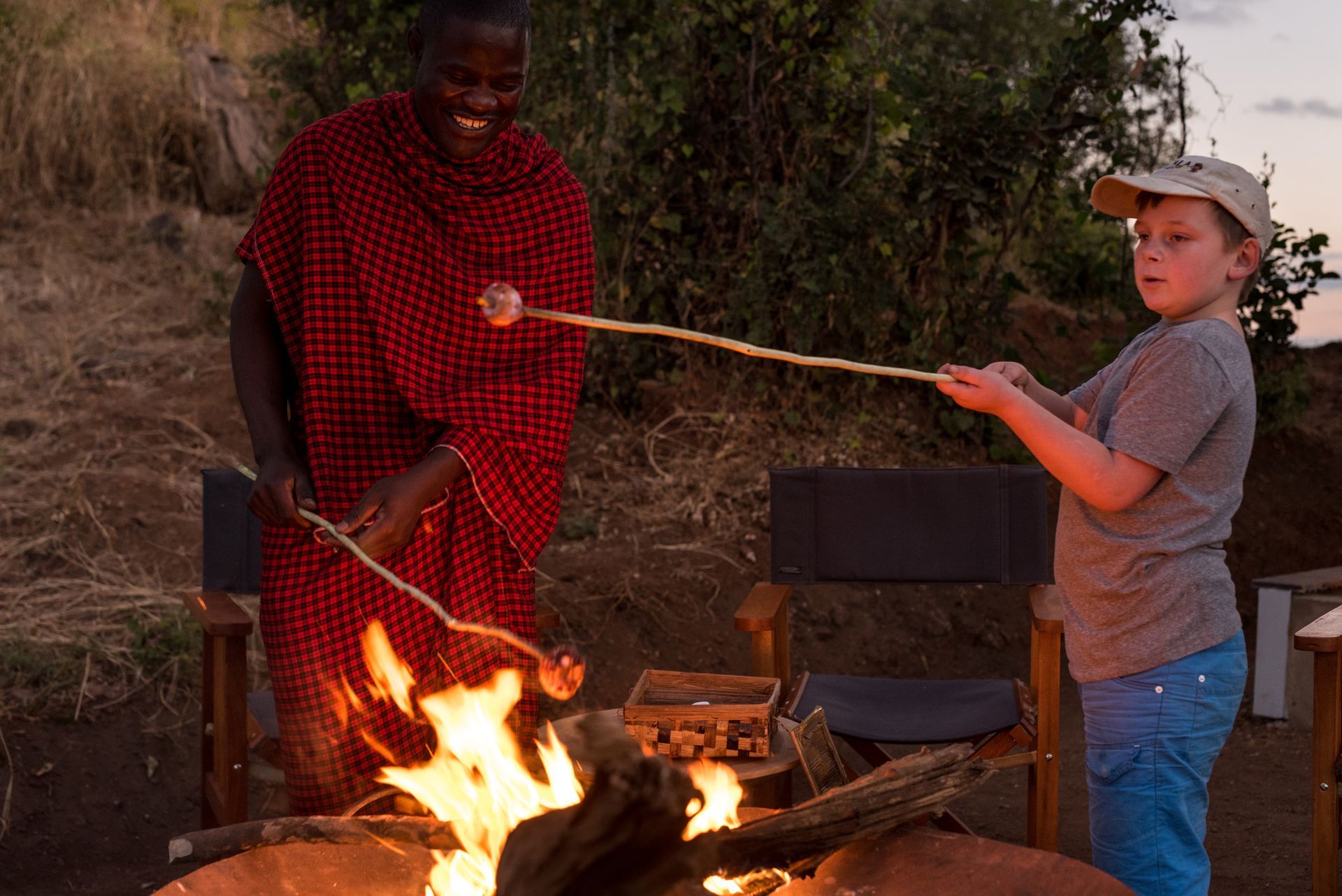
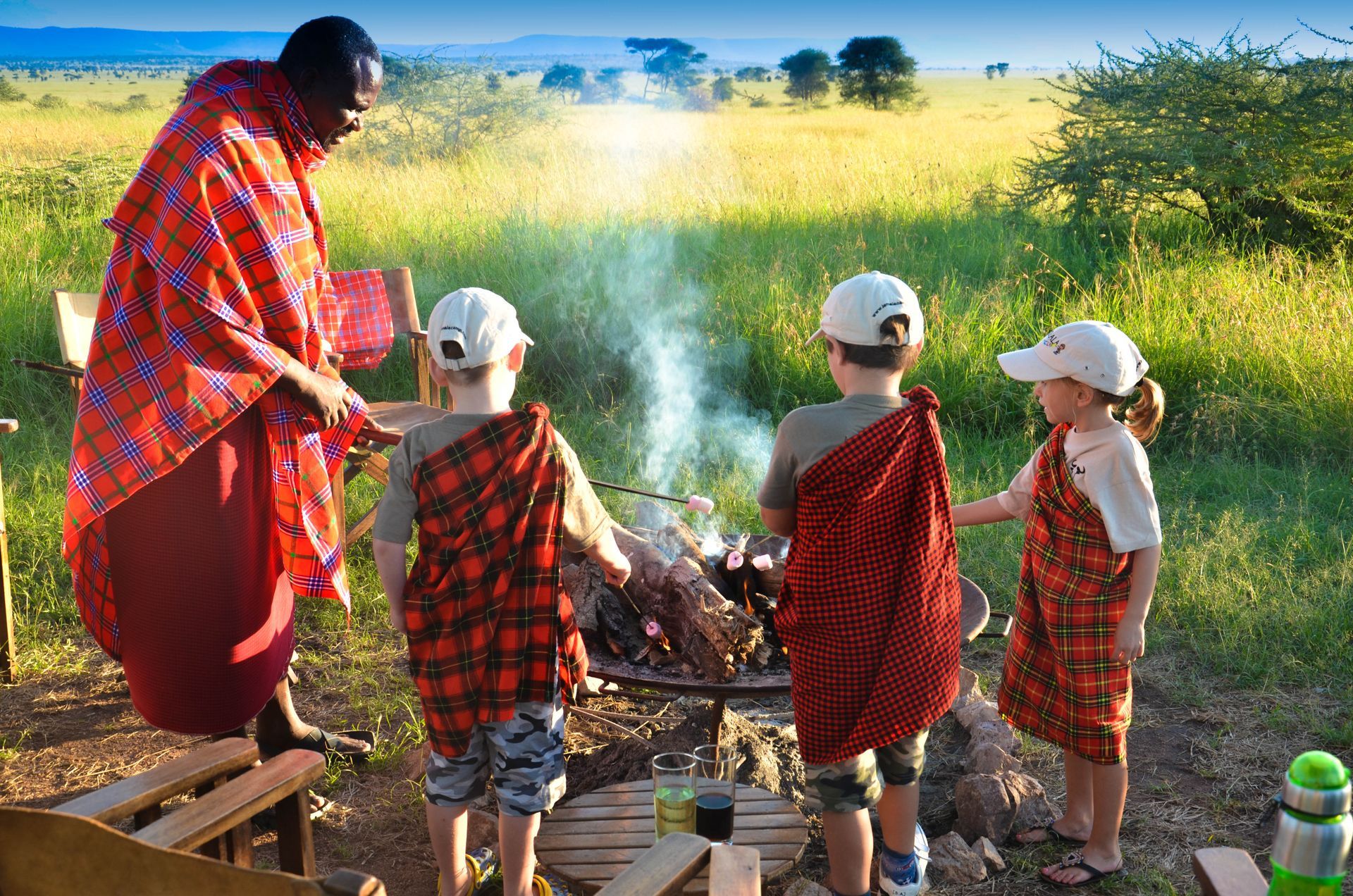
The first step to a smooth family safari is choosing the right destination and pace. Private conservancies and family-friendly lodges often offer flexible schedules, shorter game drives, and activities designed for younger guests. By avoiding overly long drives or early mornings that may tire children, families can enjoy a comfortable balance of adventure and relaxation.
Encourage children to participate in planning by showing them maps, discussing the animals they hope to see, or involving them in tracking sightings. This fosters engagement and gives them a sense of ownership over the experience. Packing a few familiar snacks, water, and basic first aid items ensures comfort and preparedness, especially in more remote locations. Discussing rules for safety, such as staying in the vehicle during drives and listening to guides, helps children feel confident while also understanding the bush etiquette that protects both them and the wildlife.
Activities to inspire curiosity
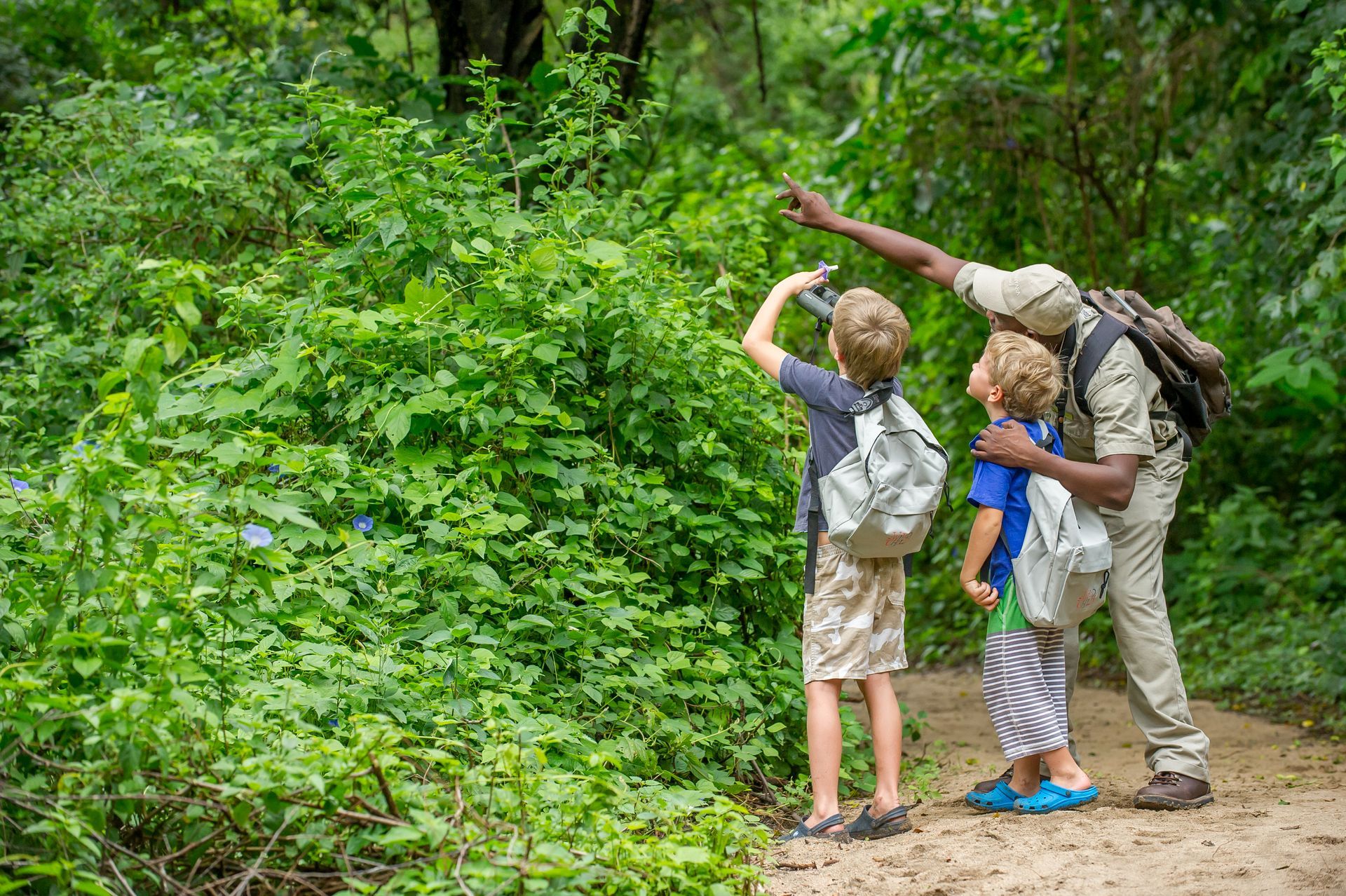
Family safaris can be filled with interactive learning. Guided game drives that include fun facts about animal behaviour, tracks, and calls help children understand the bush beyond surface sightings. Nature walks with expert guides allow kids to explore insects, plants, and smaller animals that are often overlooked, giving a broader perspective on the ecosystem. Children can be encouraged to search for tracks, spot bird nests, or listen to the different calls of nocturnal and diurnal animals.
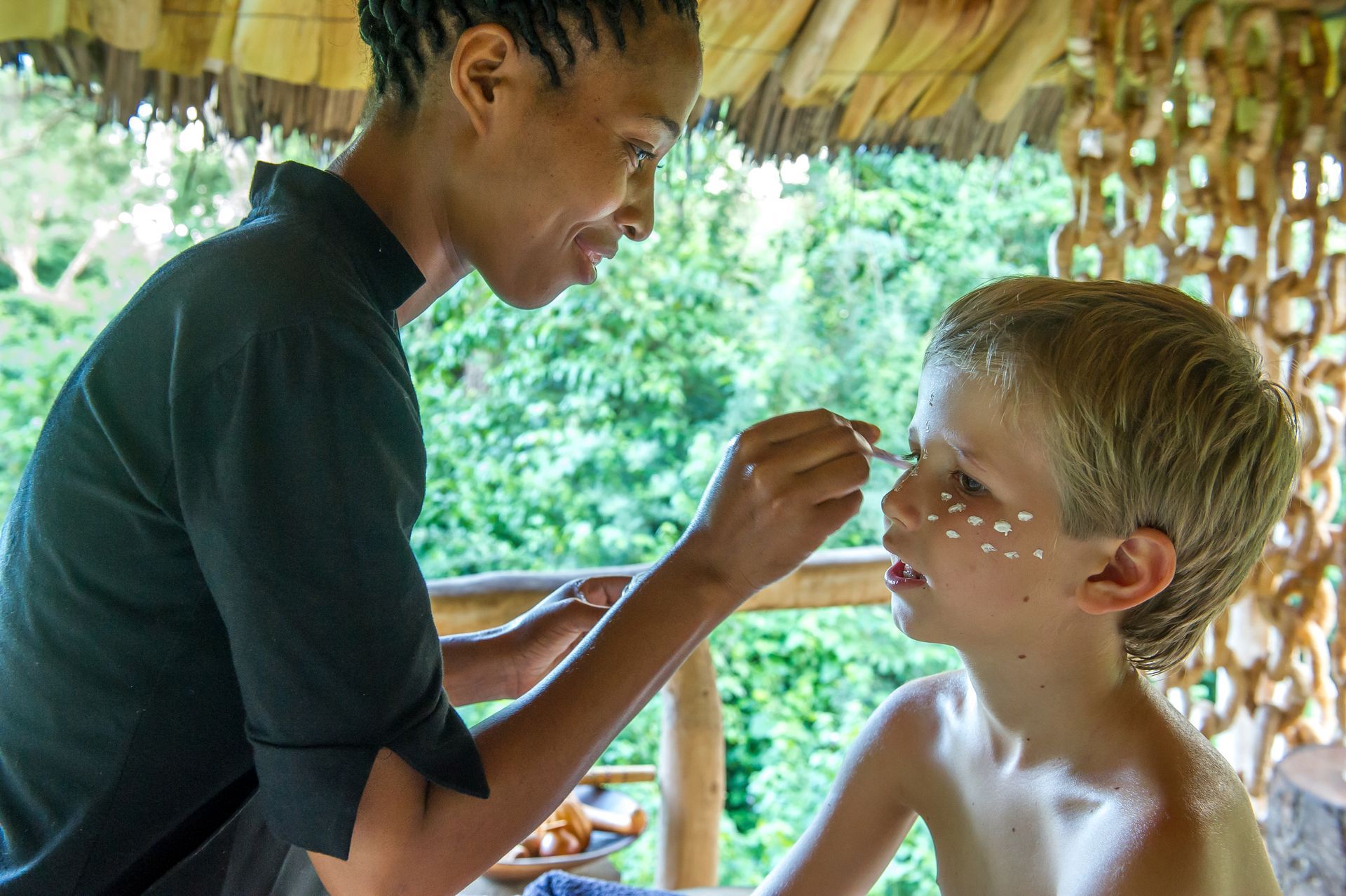
Many lodges offer hands-on activities such as birdwatching challenges, wildlife quizzes, or craft projects using natural materials, which turn learning into play. Night-time experiences, like listening to the sounds of the bush from a lodge deck or star-gazing, can fascinate children while maintaining safety. Campfire storytelling can introduce myths and tales of African wildlife, adding a sense of wonder to the educational side of the safari. Even cooking or helping with simple meal preparation at the lodge can engage children with local culture and resources.
Engaging all senses
A successful family safari stimulates all the senses. Visual, auditory and tactile experiences like observing the vivid colours of birds, listening to the distant roar of lions, feeling the texture of elephant dung or termite mounds during guided walks bring the bush alive. Encourage children to journal, sketch, or photograph what they see, helping them process and remember their encounters while fostering creativity and reflection.
Even simple actions such as watching a herd of zebra grazing, spotting monkeys leaping through the trees, or identifying animal tracks can spark endless questions and conversations. Involving children in identifying plants, insects, and signs of animal behaviour gives them a sense of achievement and deepens understanding of the natural world. The varied habitats like riverine forests, open plains, and shaded kopjes allow kids to experience different environments each day, keeping the adventure fresh and stimulating.
Encouraging learning through play
Engagement can also come through playful exploration. Scavenger hunts for natural items like feathers, seed pods, or animal tracks can be adapted to different ages, helping children to observe details they might otherwise miss. Guides can create interactive storytelling moments, where children imagine themselves as young wildlife trackers or researchers, combining imagination with observation. Small projects, like recording different bird songs or noting nocturnal sounds, add a sense of purpose to each activity.
For teenagers, slightly more challenging activities, such as photography competitions, nature journaling, or guided mapping of animal sightings, can make them feel involved and give a lasting connection to the safari. These activities build confidence, patience, and curiosity while reinforcing safe and respectful interaction with the environment.
Guidance from experts
Leadwood Holidays can advise on lodges, conservancies, and itineraries that cater specifically to families, helping to create safaris that balance wildlife exploration, relaxation, and kid-friendly activities. By tailoring each safari to the needs of the family, children and adults alike can enjoy safe and memorable encounters with East Africa’s wildlife. Expert guides provide context, share stories, and ensure that each observation is both educational and engaging, allowing families to appreciate the complexity of the bush without feeling rushed or overwhelmed.