
A PEOPLE SHAPED BY LAND AND MOVEMENT
Meet the Maasai - East Africa's cultural ambassadors
Across the sweeping savannahs of southern Kenya and northern Tanzania, the Maasai have lived alongside wildlife for centuries. Their presence is inseparable from the land itself. To travel through Maasai country is not simply to move through a wildlife landscape, but through a cultural one where people, cattle and wild animals have long shaped each other’s survival.
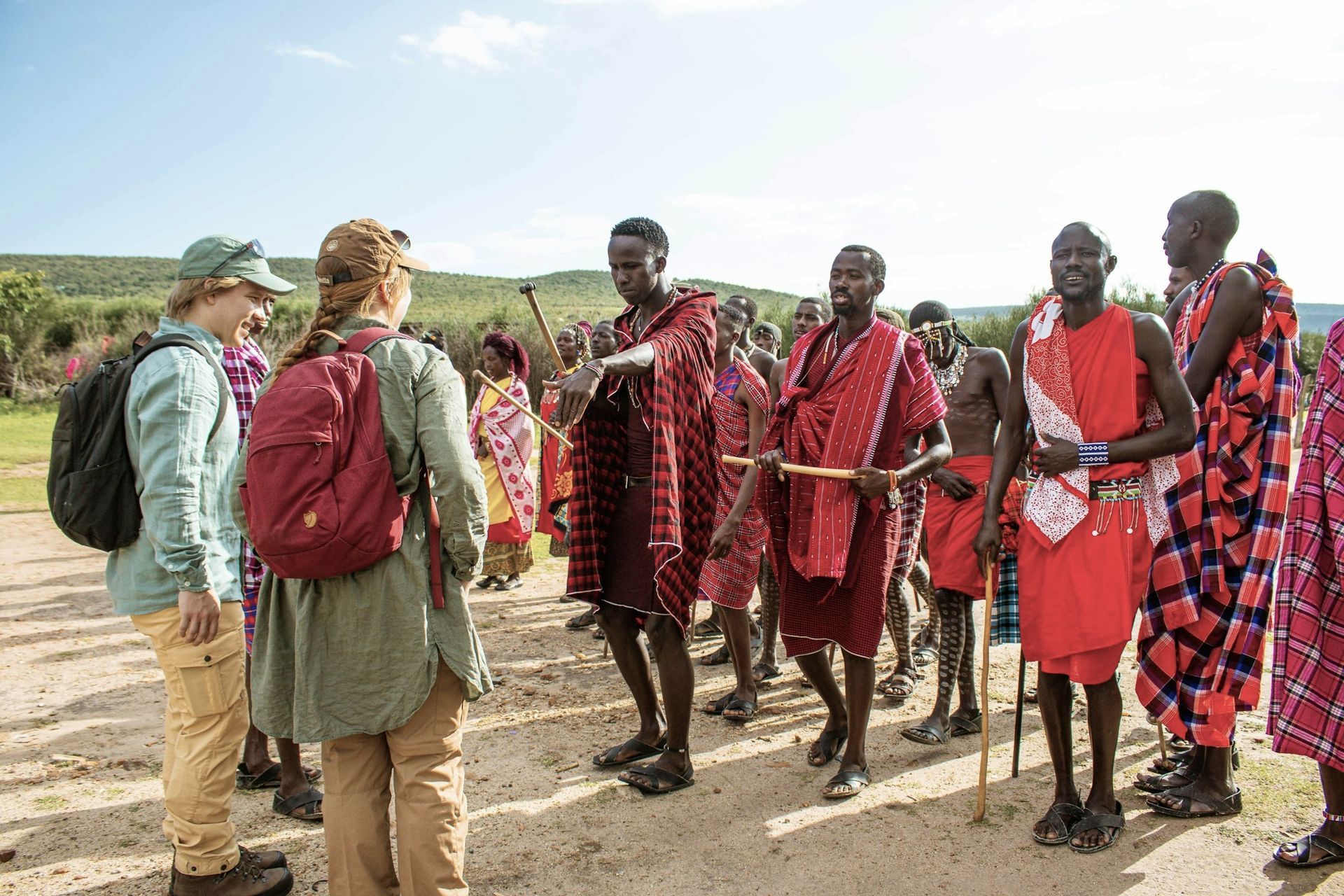
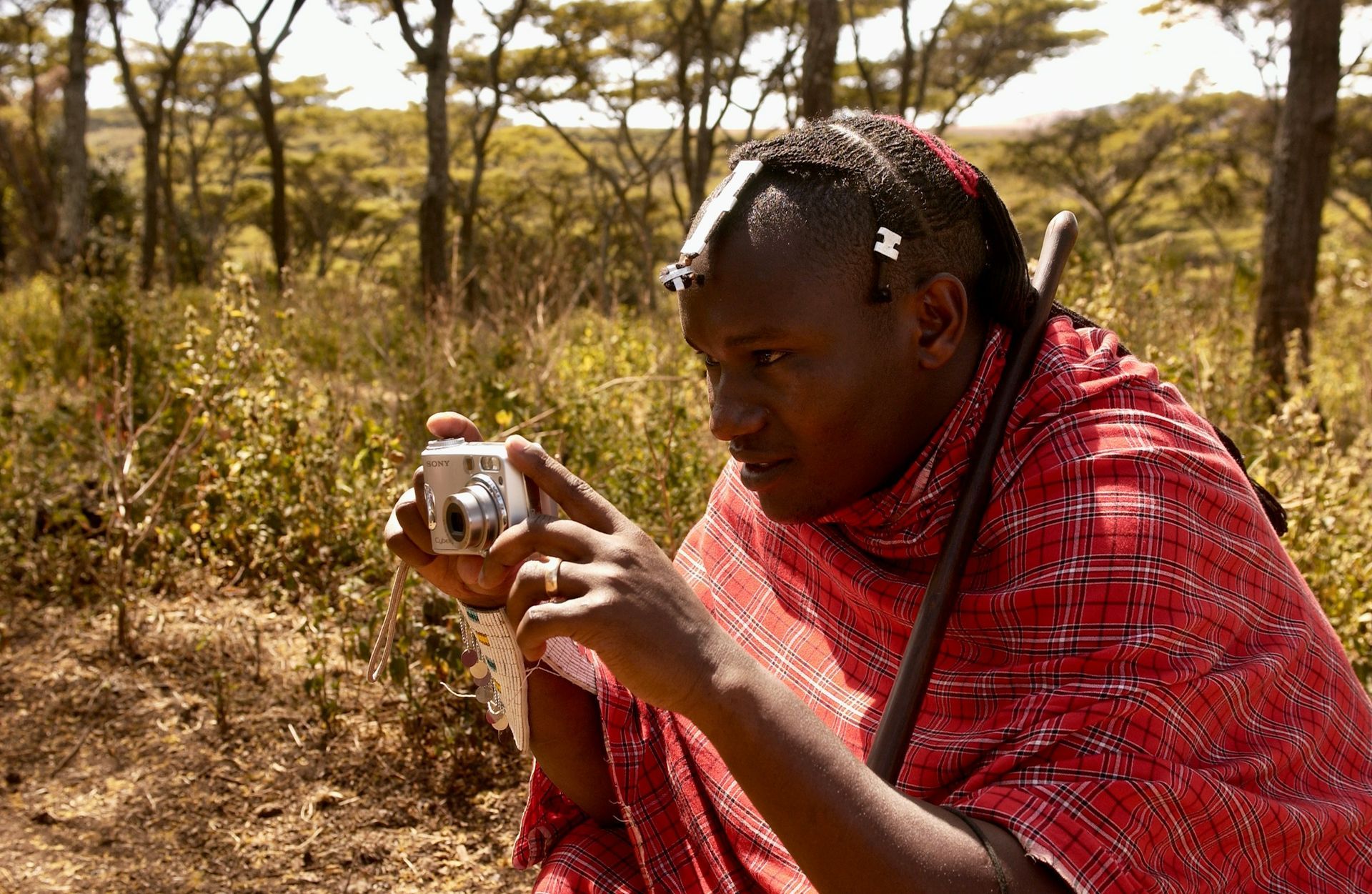
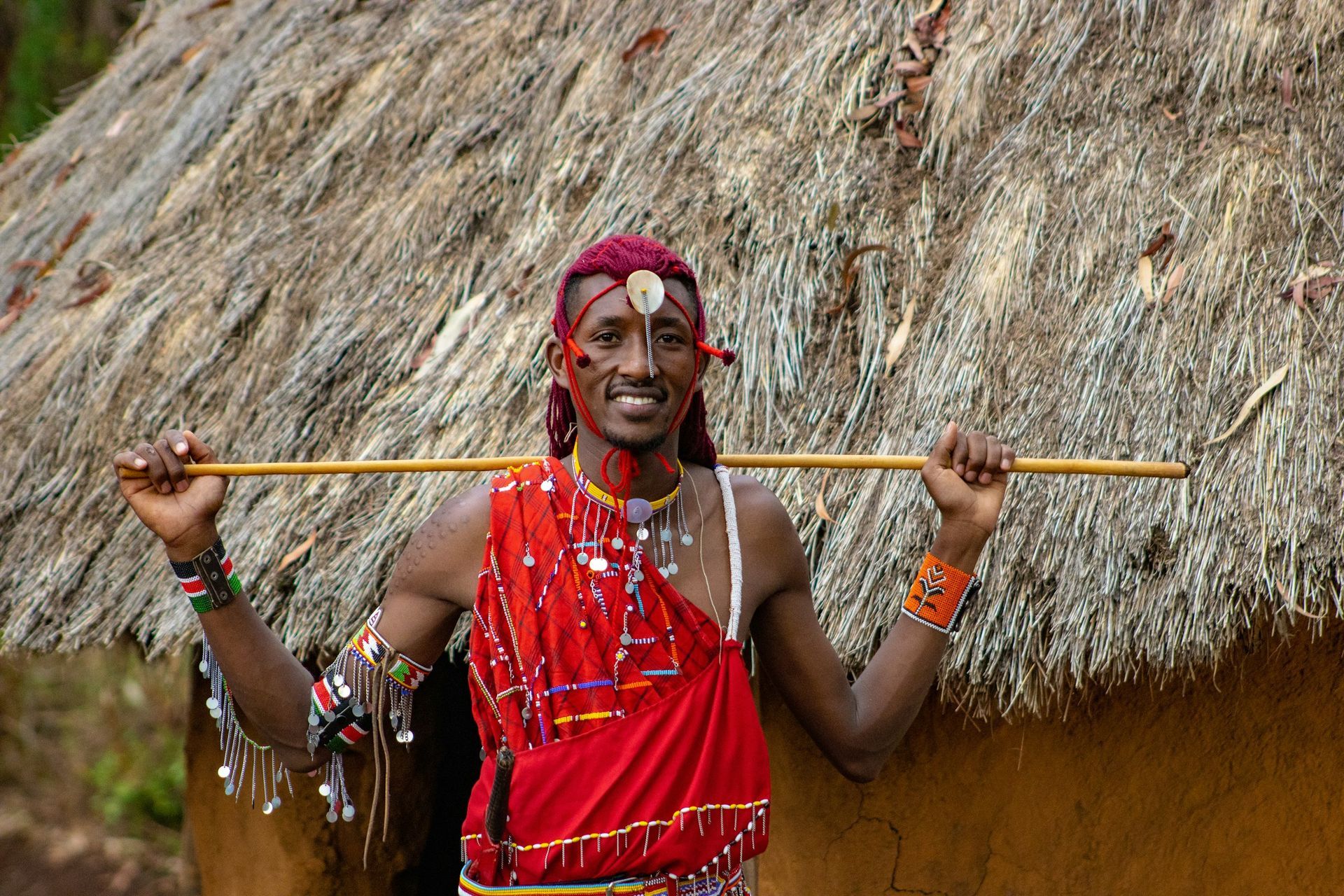
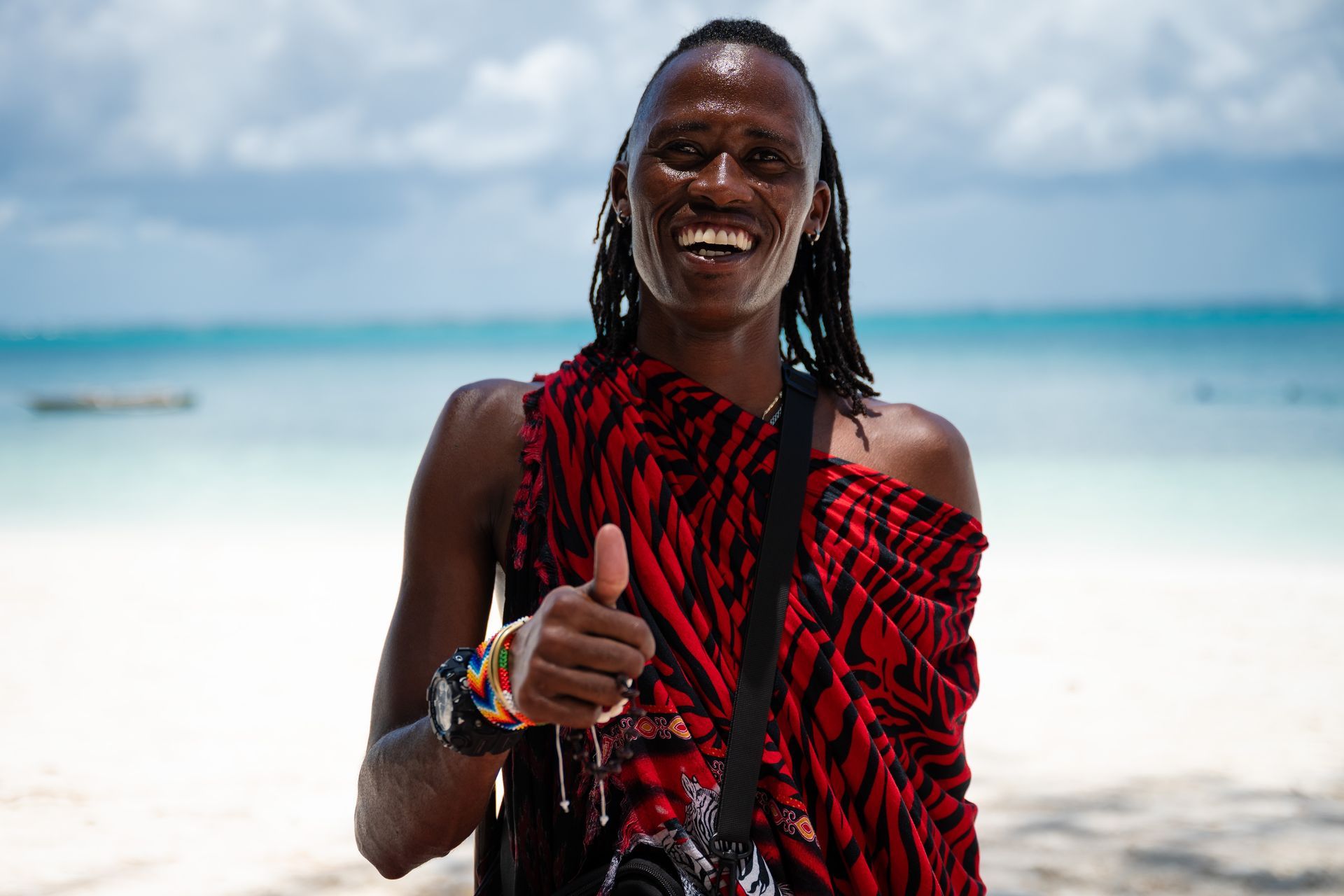
For travellers to East Africa, encountering the Maasai offers a deeper understanding of the places they visit. This isn’t about staged performances or quick photo stops. When done thoughtfully, a cultural visit becomes an opportunity to learn how traditional knowledge, resilience and adaptation continue to influence conservation and community life today.
The Maasai are semi-nomadic pastoralists, traditionally moving with their cattle in response to rainfall and grazing. Their homeland stretches across iconic safari regions including the Maasai Mara and the Serengeti, landscapes now world-famous for wildlife but historically shaped by seasonal human movement as much as animal migration.
Cattle lie at the heart of Maasai life, representing wealth, status and sustenance. Grazing patterns were historically carefully managed to avoid overuse of land, allowing grasslands to recover and wildlife to thrive alongside livestock. This deep ecological understanding is one reason many conservationists recognise the Maasai as original custodians of these ecosystems.
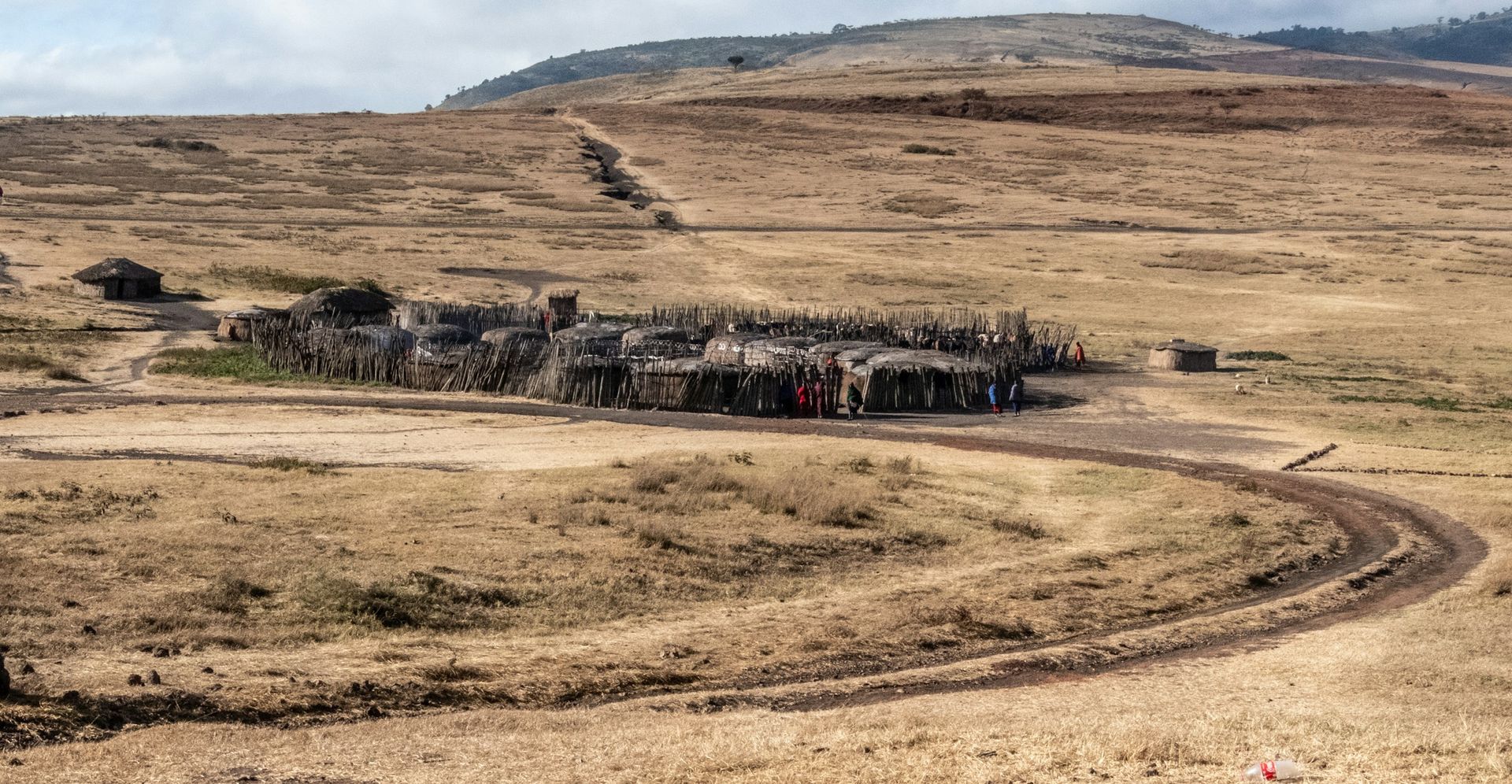
Even today, you’ll see how closely daily life is tied to the environment – from the placement of homesteads, known as manyattas, to the use of natural materials and the reliance on seasonal rhythms.
Culture, identity and tradition
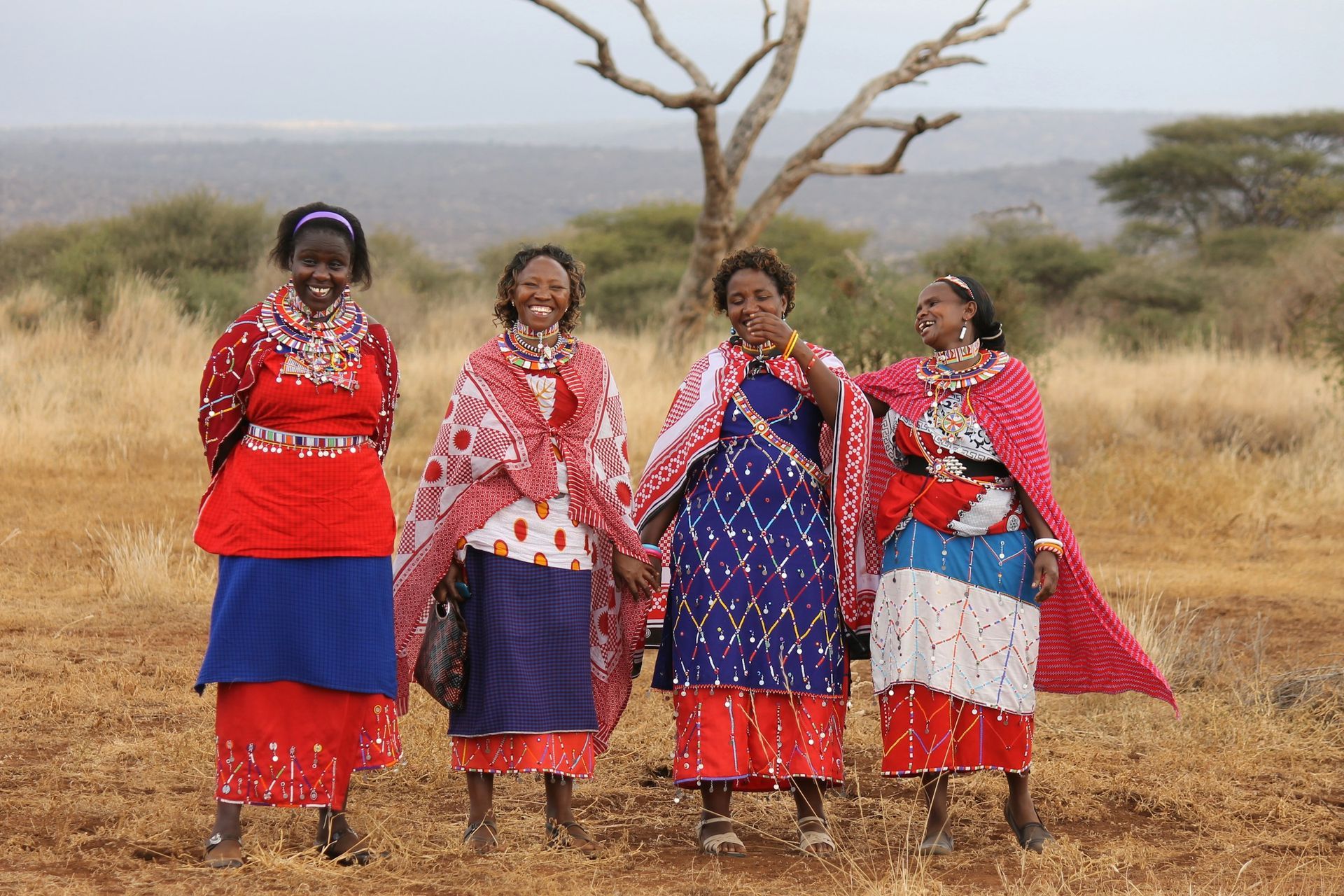
Maasai identity is strongly expressed through dress, language and ceremony. The bright reds and blues of traditional shúkàs are not chosen at random. Red is associated with strength, unity and protection, while intricate beadwork tells stories of age, status and personal milestones. Each colour and pattern holds meaning, often passed down through generations of women artisans.
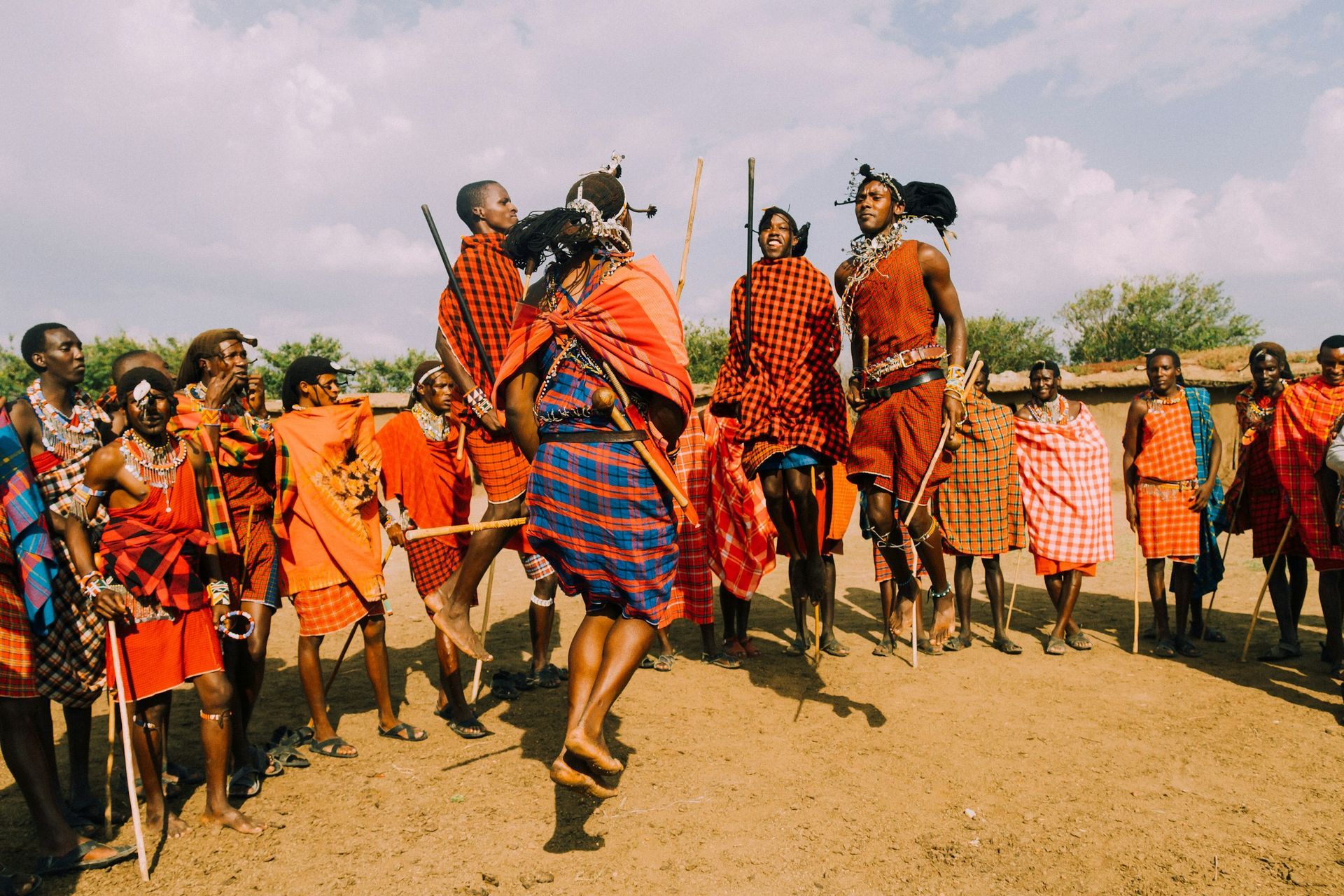
Age-set ceremonies mark important transitions in life, from childhood to warriorhood and elder status. While some traditions have evolved over time, these rites remain central to Maasai social structure, reinforcing community bonds and shared responsibility.
For visitors, learning about these traditions offers insight into a culture that has adapted without losing its core identity, even as modern pressures and changing land use reshape the region.
Maasai communities and modern conservation
Today, many Maasai communities play an active role in conservation and sustainable tourism. Community-owned conservancies surrounding major reserves help protect wildlife corridors while generating income through tourism partnerships. These initiatives support education, healthcare and employment, offering alternatives to land-intensive practices while keeping cultural ties intact.
Travelling with experienced local guides helps bring this story to life. Conversations often reveal nuanced perspectives on living alongside predators, changing climate patterns and the balance between tradition and modern opportunity. These voices add depth to the safari experience, reminding travellers that conservation is as much about people as it is about wildlife.
Visiting with respect and curiosity
A meaningful cultural visit is guided by mutual respect. It’s about listening more than speaking, asking permission before photographs, and approaching each interaction with genuine curiosity rather than expectation. The most memorable moments often come from simple exchanges – learning how homes are built, hearing stories of life on the plains, or sharing a laugh with children curious about visitors in return.
When approached in this way, time spent with the Maasai becomes more than an add-on to a safari. It becomes part of understanding East Africa as a living, breathing landscape where culture and nature are inseparable.
Why it matters
Safaris are often defined by wildlife sightings, but it’s the human stories that bring lasting perspective. Meeting the Maasai offers context to the land, helping travellers appreciate how these famous ecosystems have endured through cooperation, knowledge and adaptation.
At Leadwood Holidays, we believe travel should deepen understanding. By connecting travellers with communities who call these landscapes home, we help create journeys that are not only memorable, but meaningful – rooted in respect, learning and shared experience.