
A MONTH-BY-MONTH GUIDE TO EAST AFRICA
Our safari calendar – what to see, where and when
One of the most common questions we’re asked when planning an East African safari is deceptively simple – when is the best time to go? In reality, East Africa doesn’t follow a single safari season. Instead, it moves through a series of seasonal shifts, shaped by rainfall, altitude and wildlife movement. Understanding these rhythms allows travellers to choose the right time for the experiences they value most.
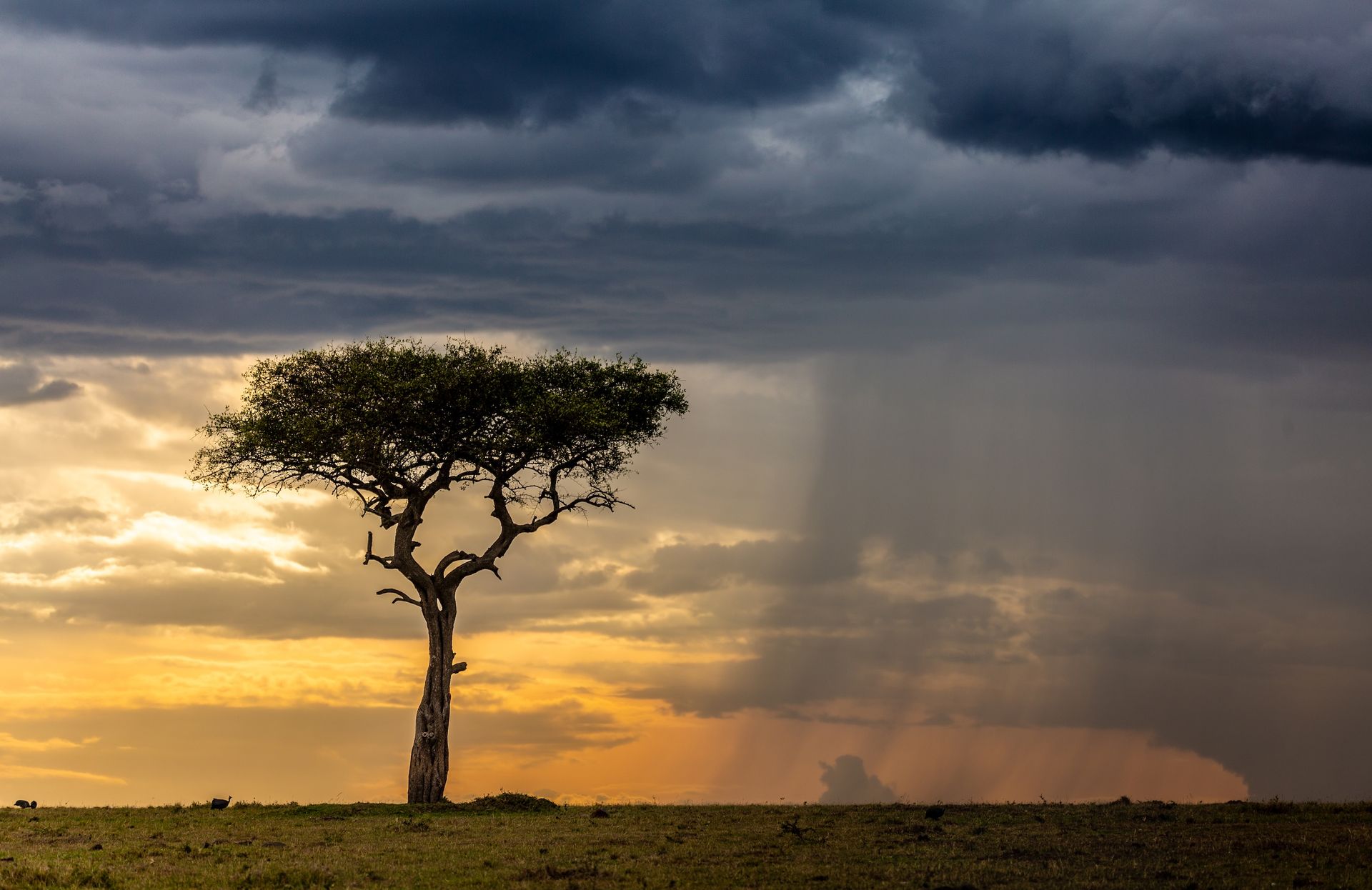
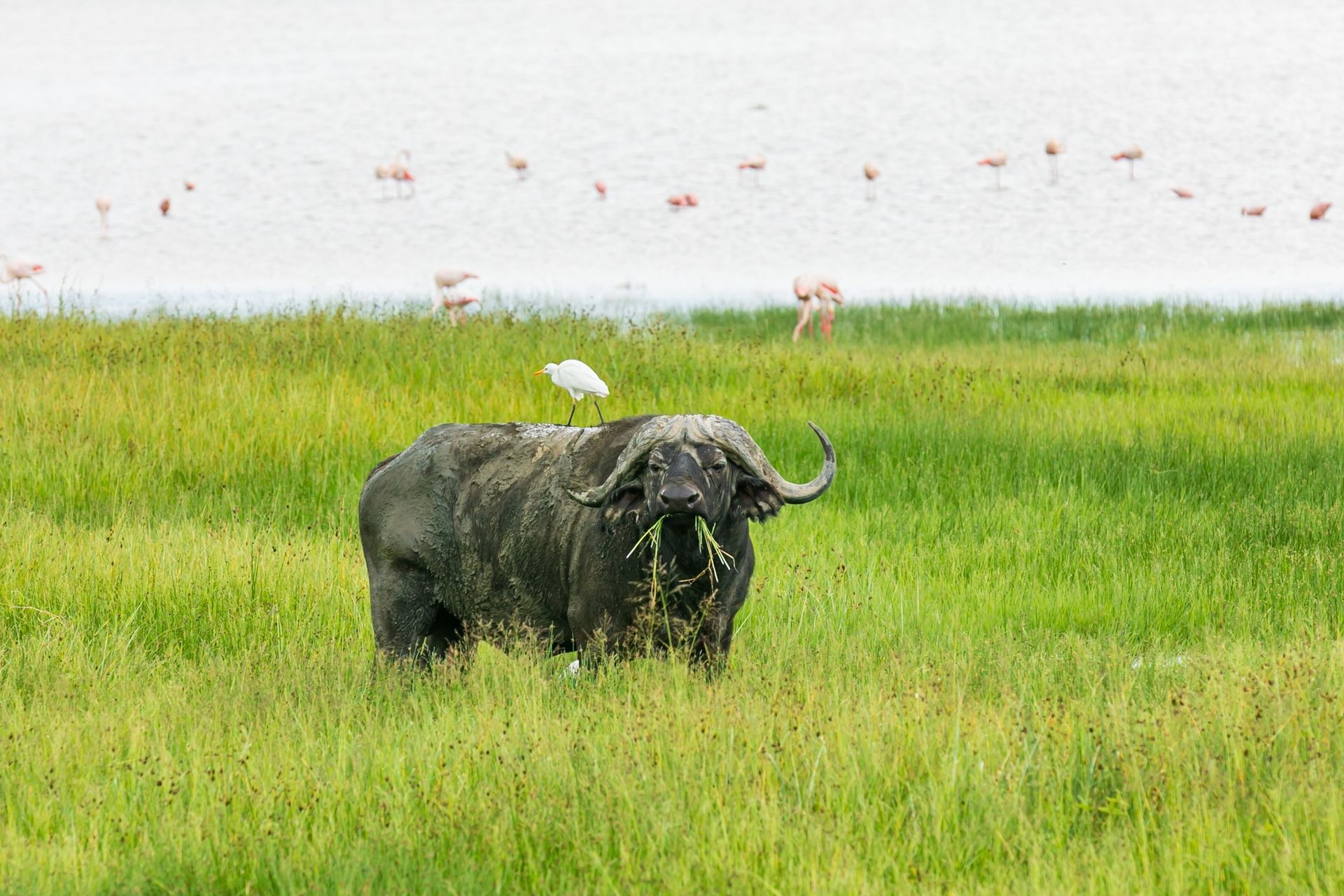
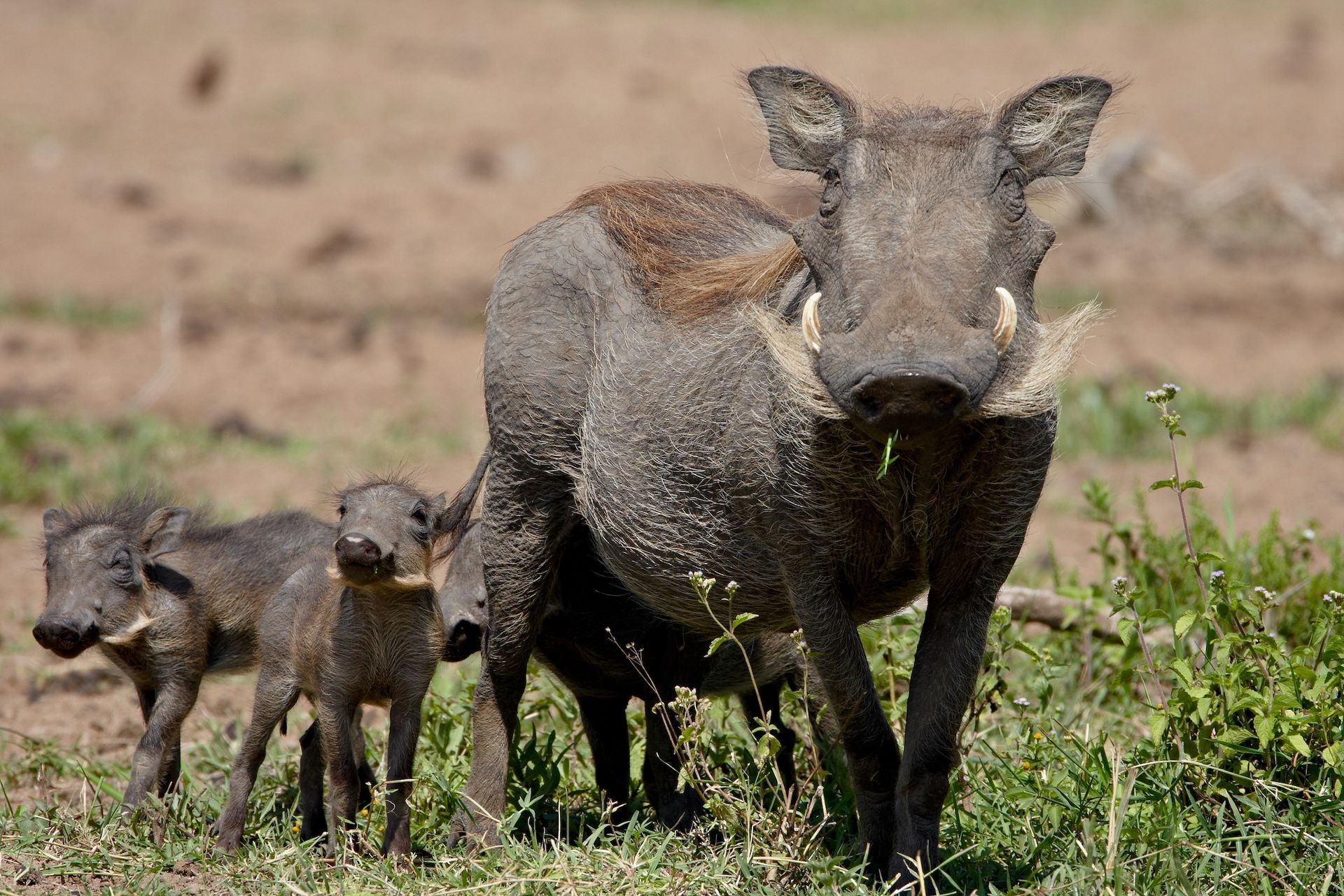
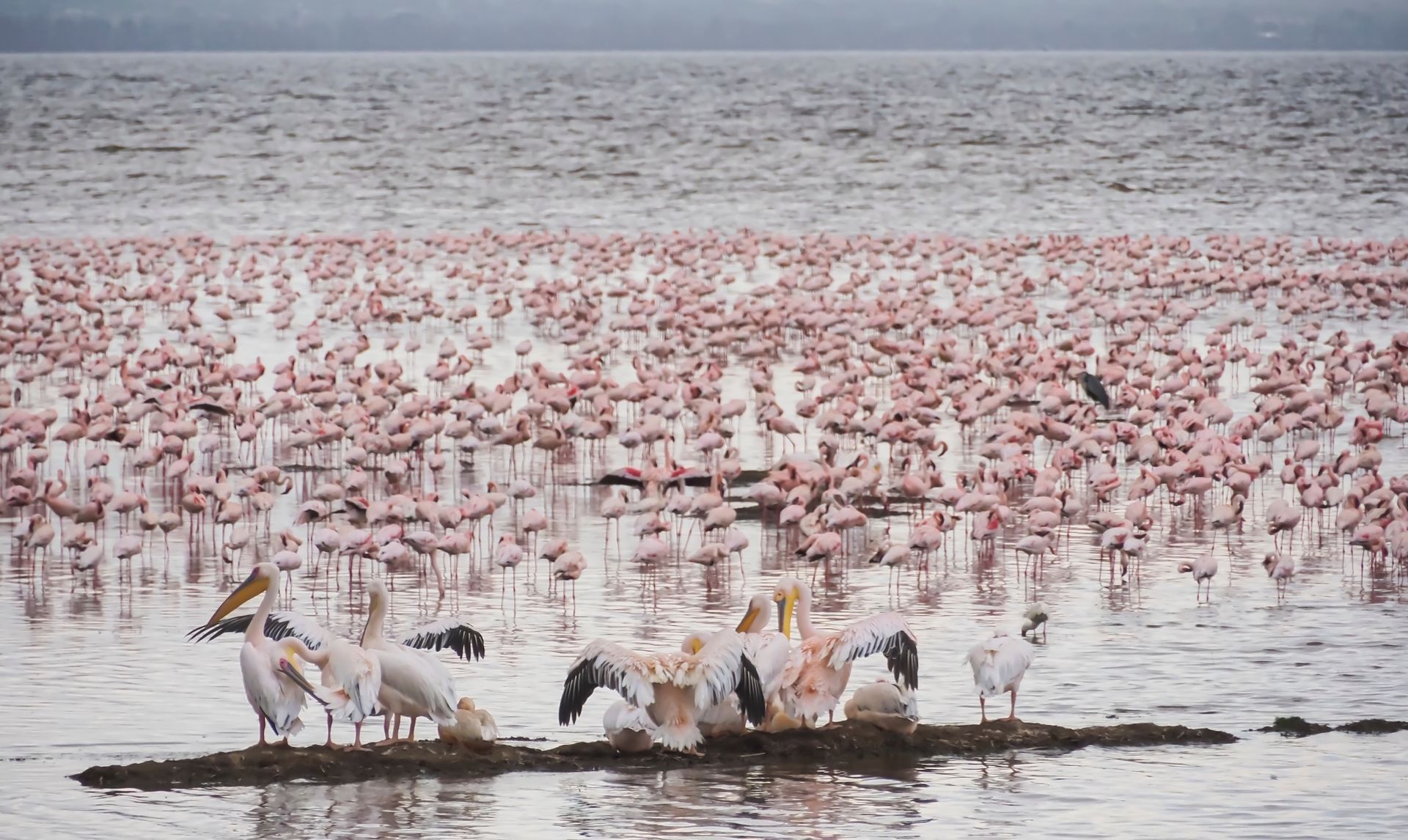
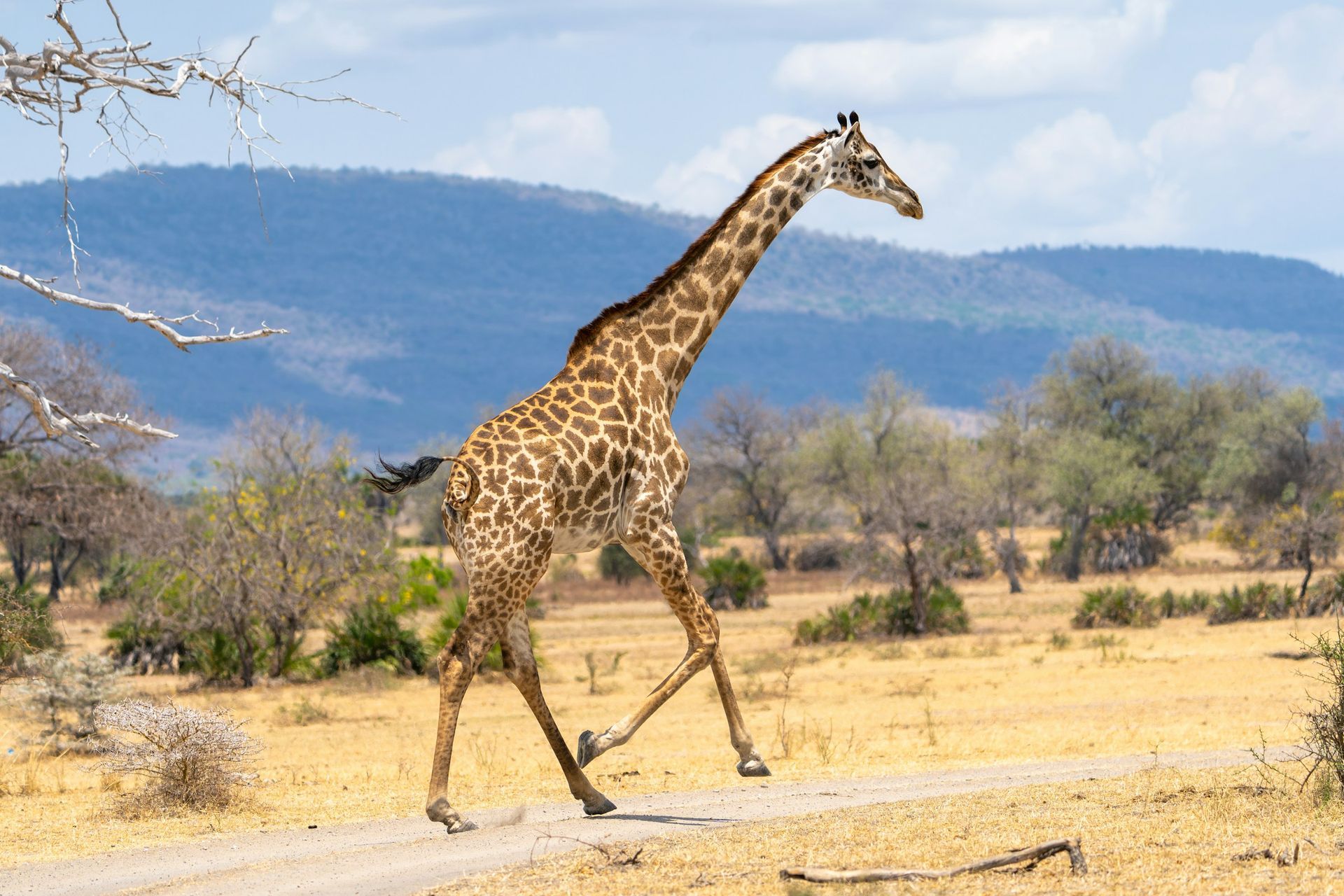
East Africa encompasses some of the best safari destinations on the continent, from the classic great plains of Kenya and Tanzania to the misty highlands and forests of Rwanda. Each destination responds differently to the seasons, offering varied and rewarding safari experiences throughout the year. Let's take a look at what happens when and why you should choose East Africa for your next safari...
January and February – life, light and highland clarity
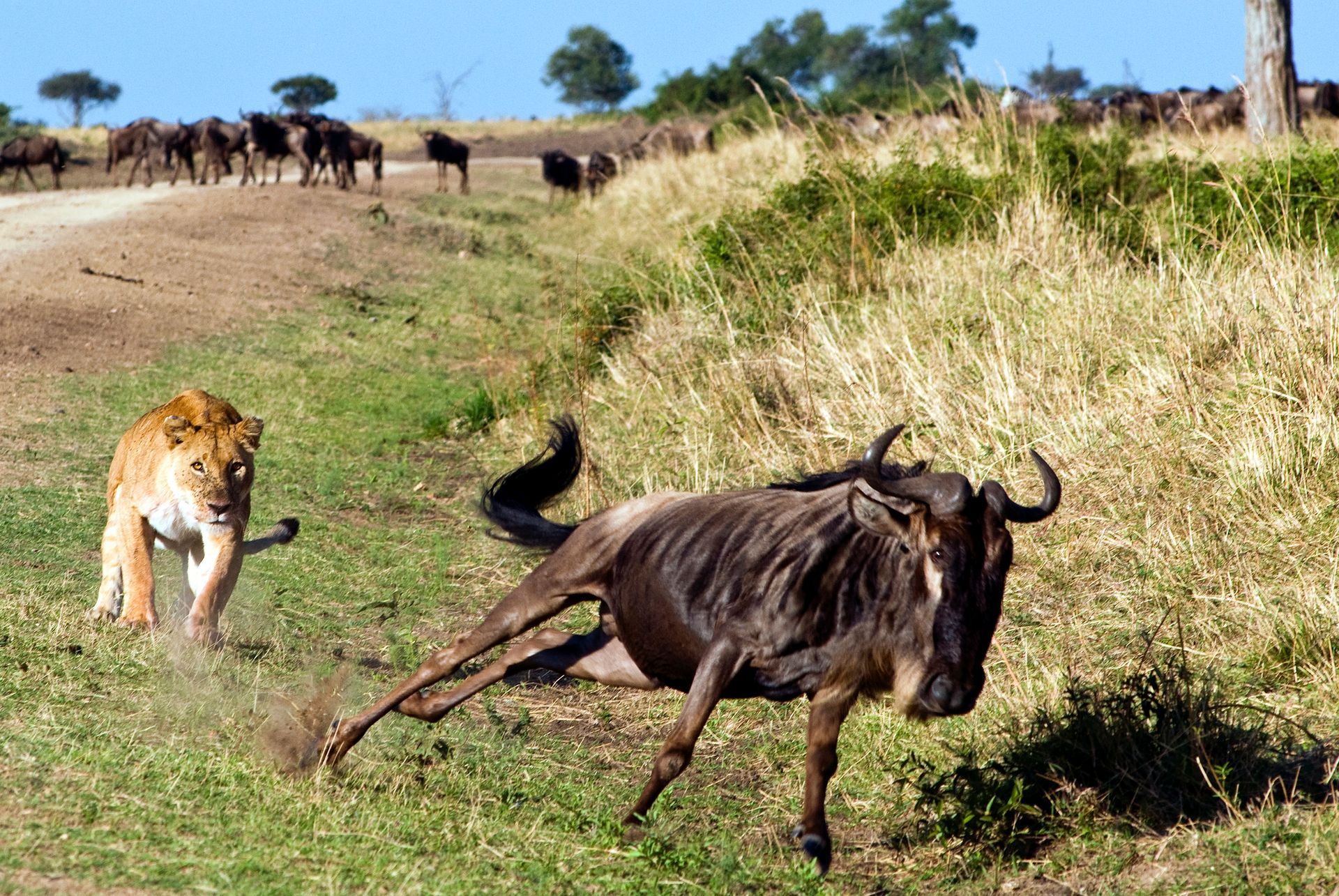
The year opens with many parts of East Africa in excellent condition for travel. In Kenya and northern Tanzania, grasses are fresh and water is plentiful, creating a feeling of abundance. Wildlife is more dispersed, but predator activity remains strong, particularly around calving areas in southern Tanzania.
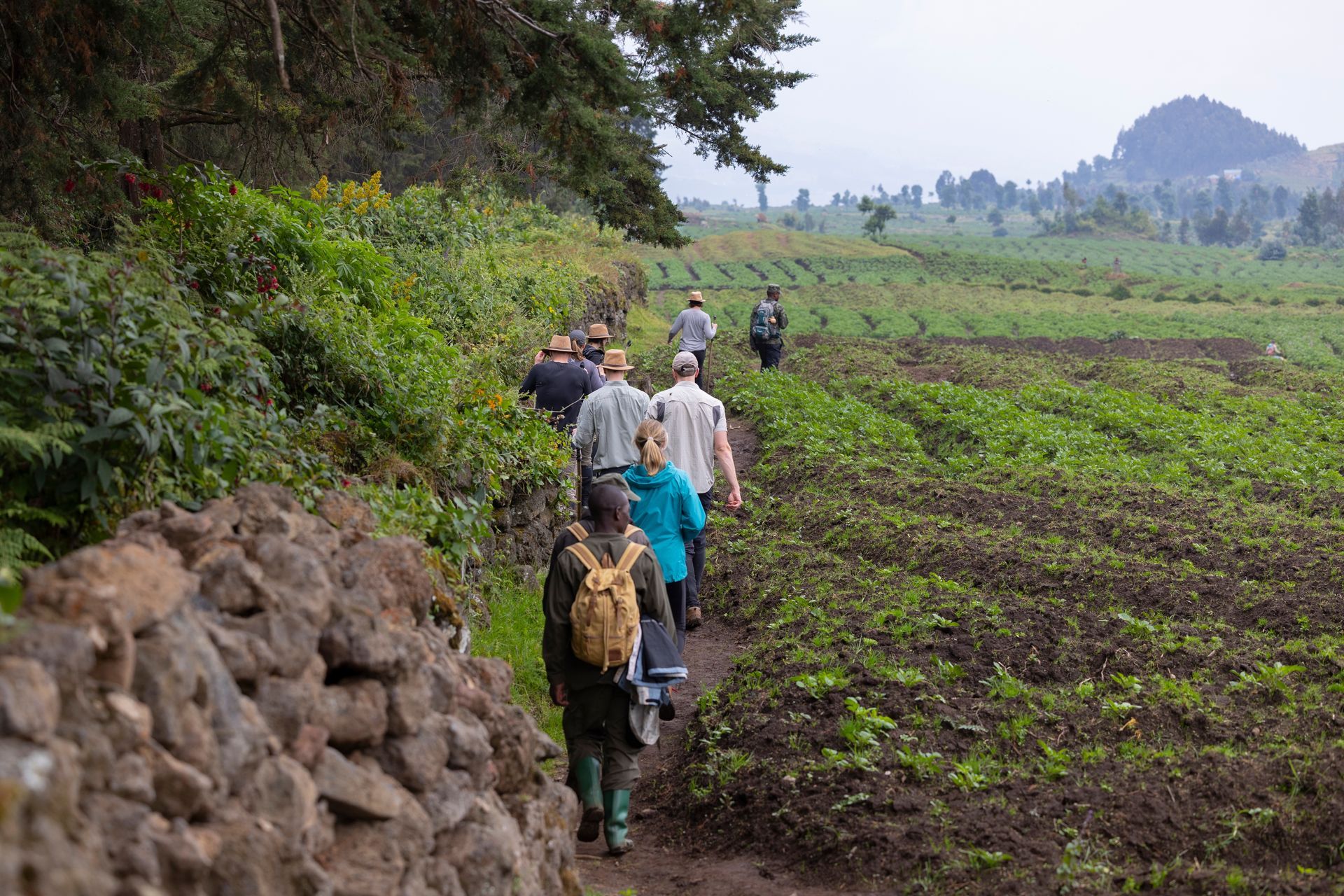
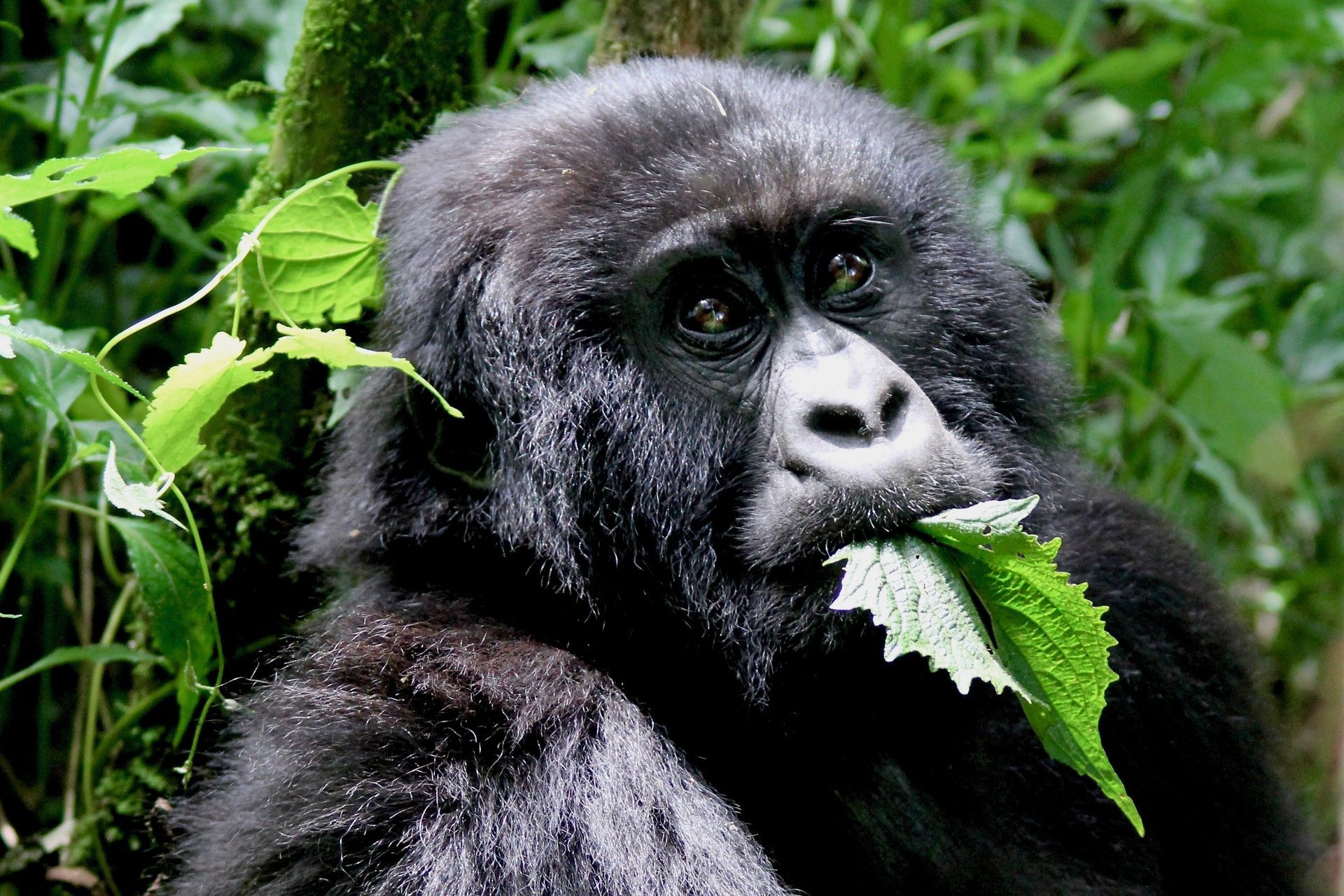
In Rwanda, January and February are among the best months for gorilla trekking. These are drier periods in the highlands, making forest trails more accessible and trekking conditions more comfortable. Clearer weather also improves visibility in Volcanoes National Park, enhancing the overall trekking experience. Chimpanzee trekking in Nyungwe Forest is similarly rewarding at this time, with easier hiking conditions and active primate behaviour.
Birdlife across the region is exceptional, with migratory species present and breeding displays underway.
March and April – green seasons and forest depth
March marks a shift as humidity rises and the long rains begin, particularly in Tanzania and parts of Kenya. April tends to be the wettest month, transforming savannah landscapes into rich, green environments.
While this period is quieter for traditional game viewing, it offers a very different kind of safari. Parks are less busy, scenery is at its most dramatic and the atmosphere is peaceful. This is a strong time for travellers who enjoy photography, birding and a slower pace.
In Rwanda, rain deepens the forests, intensifying their atmosphere rather than diminishing the experience. Gorilla trekking continues year-round, and while trails can be muddier, sightings remain excellent. Fewer visitors during these months can make encounters feel even more intimate, particularly in Volcanoes and Nyungwe National Parks.
May – renewal and transition
As rainfall eases, May brings cooler temperatures and a sense of balance across East Africa. Landscapes remain green, rivers are full and wildlife begins to concentrate more predictably.
In Kenya and Tanzania, this is a rewarding time for travellers who want strong value without sacrificing experience. Walking safaris, cultural encounters and photographic travel work especially well as light improves and crowds remain low.
Rwanda also benefits from improving conditions in May. Forest trails begin to dry, visibility increases and the highlands feel fresh and vibrant. It’s an excellent month for combining gorilla trekking with time on Lake Kivu, where calm waters and cooler temperatures create a relaxed contrast to forest exploration.
June to August – dry season highlights
The dry season defines classic safari travel in Kenya and Tanzania. Vegetation thins, water sources become limited and wildlife congregates around rivers and permanent water. These months offer some of the most reliable big game viewing of the year.
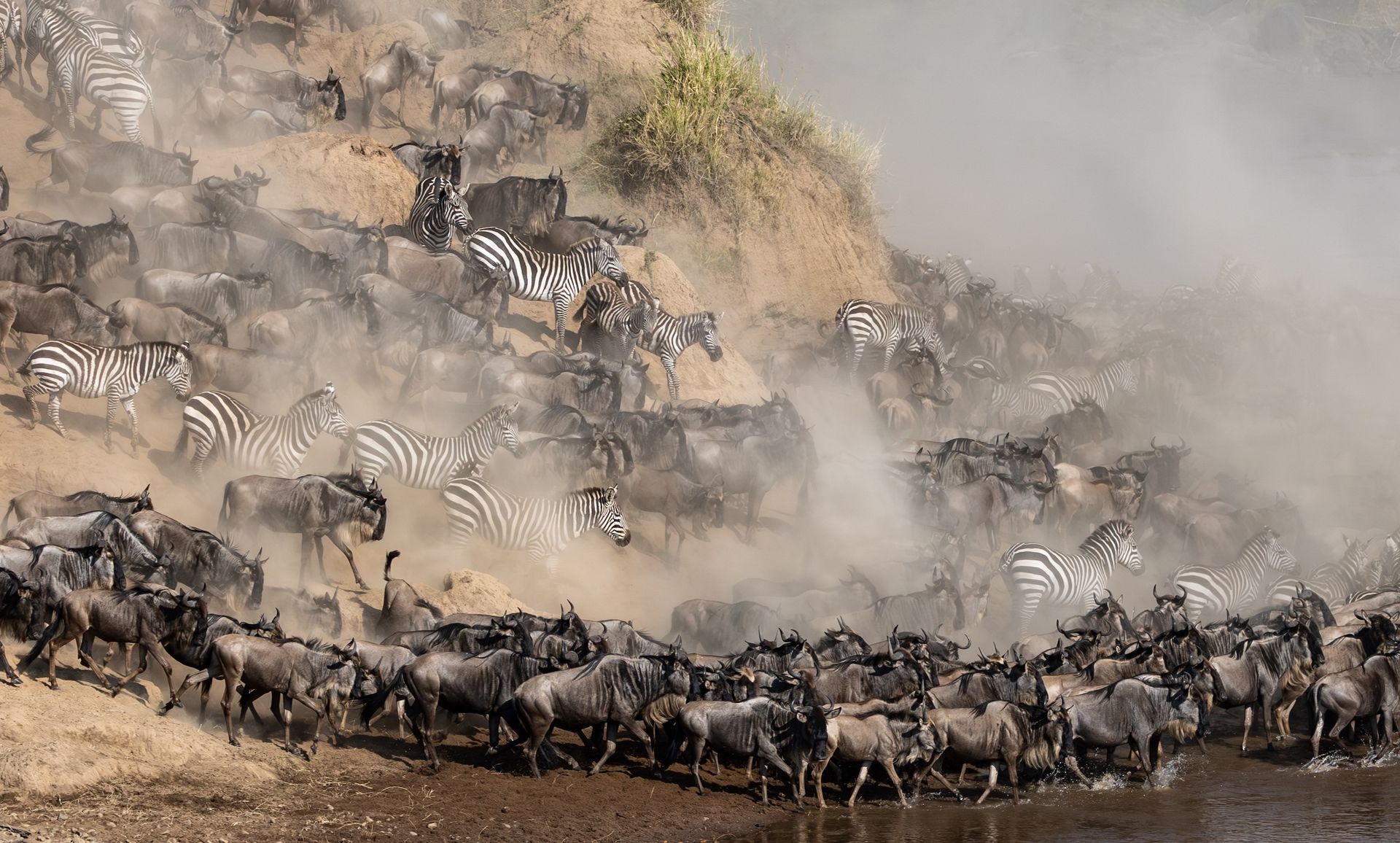
In the Serengeti and Masai Mara, this period aligns with the most dramatic phase of the Great Migration, including famous river crossings from July onwards. These months are ideal for first-time safari travellers seeking iconic wildlife moments.
In Rwanda, June to August is considered peak season for gorilla and chimpanzee trekking. Dry conditions make forest hikes easier, and cooler temperatures are comfortable for active days. This is also a beautiful time to explore Rwanda’s rolling countryside, tea plantations and cultural sites alongside its primate experiences.
September and October – balance and golden light
September and October are often regarded as some of the best all-round safari months in East Africa. Wildlife remains concentrated, predator sightings are frequent and the light softens into warm, golden tones.
Crowds begin to thin slightly in Kenya and Tanzania, especially outside the main migration corridors. This makes it an excellent time for travellers seeking outstanding game viewing with a more relaxed feel.
In Rwanda, conditions remain dry and favourable for trekking, while landscapes retain a lushness that enhances scenic travel and photography.
It’s also an excellent period for combining Rwanda with Kenya or Tanzania in a single itinerary.
November and December – renewal and diversity
Short rains usually arrive in November, bringing relief to wildlife and refreshing landscapes across the region. These rains are typically brief and localised, followed by warm days and renewed greenery.
In Kenya and Tanzania, this period offers quieter parks, vibrant birdlife and newborn antelope. December is particularly appealing for festive travel, combining wildlife, atmosphere and flexibility.
Rwanda remains accessible throughout this period, with continued gorilla and chimpanzee trekking and fewer visitors in the forests. For travellers seeking variety and a different pace, this time of year offers a rewarding balance of nature, culture and scenery.
Choosing the right time for your safari
Rather than searching for a single "best" month, the safari calendar invites travellers to think about what matters most to them. Whether that’s migration drama, primate encounters, lush landscapes or quiet reflection, each season offers something distinct.
At Leadwood Holidays, we use this seasonal knowledge to design journeys that are thoughtful and well matched to individual interests. By understanding how Kenya, Tanzania and Rwanda change through the year, we ensure that every safari is shaped by timing as much as place – creating experiences that feel deeply connected to the rhythm of East Africa itself.