
HOW LANDSCAPES CHANGE YOUR SAFARI
From savannah to rainforest and beyond...
One of the most powerful things about travelling through East Africa is how dramatically the landscape changes. A single journey can move from vast open plains to misty mountain forests, from volcanic highlands to palm-lined shores. These shifts are not just visual. They shape how wildlife behaves, how days unfold on safari and how travellers connect with each place they visit.
Our safaris are designed to embrace this diversity. Kenya, Tanzania, Rwanda and Zanzibar each offer a distinct environment, and together they create a richer, more layered experience of East Africa. Let's find out more about this incredible diversity...
Space, scale and spectacle
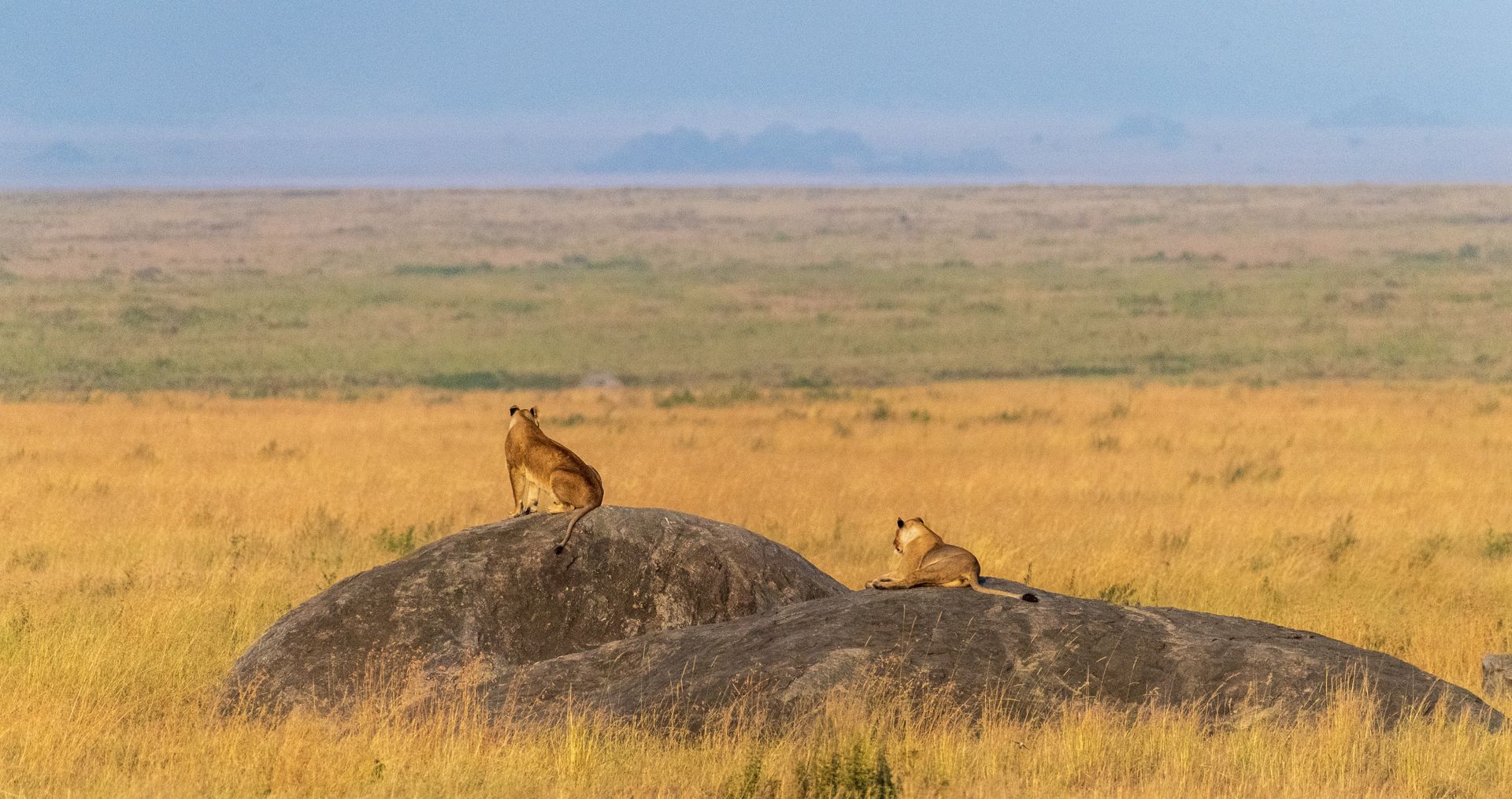
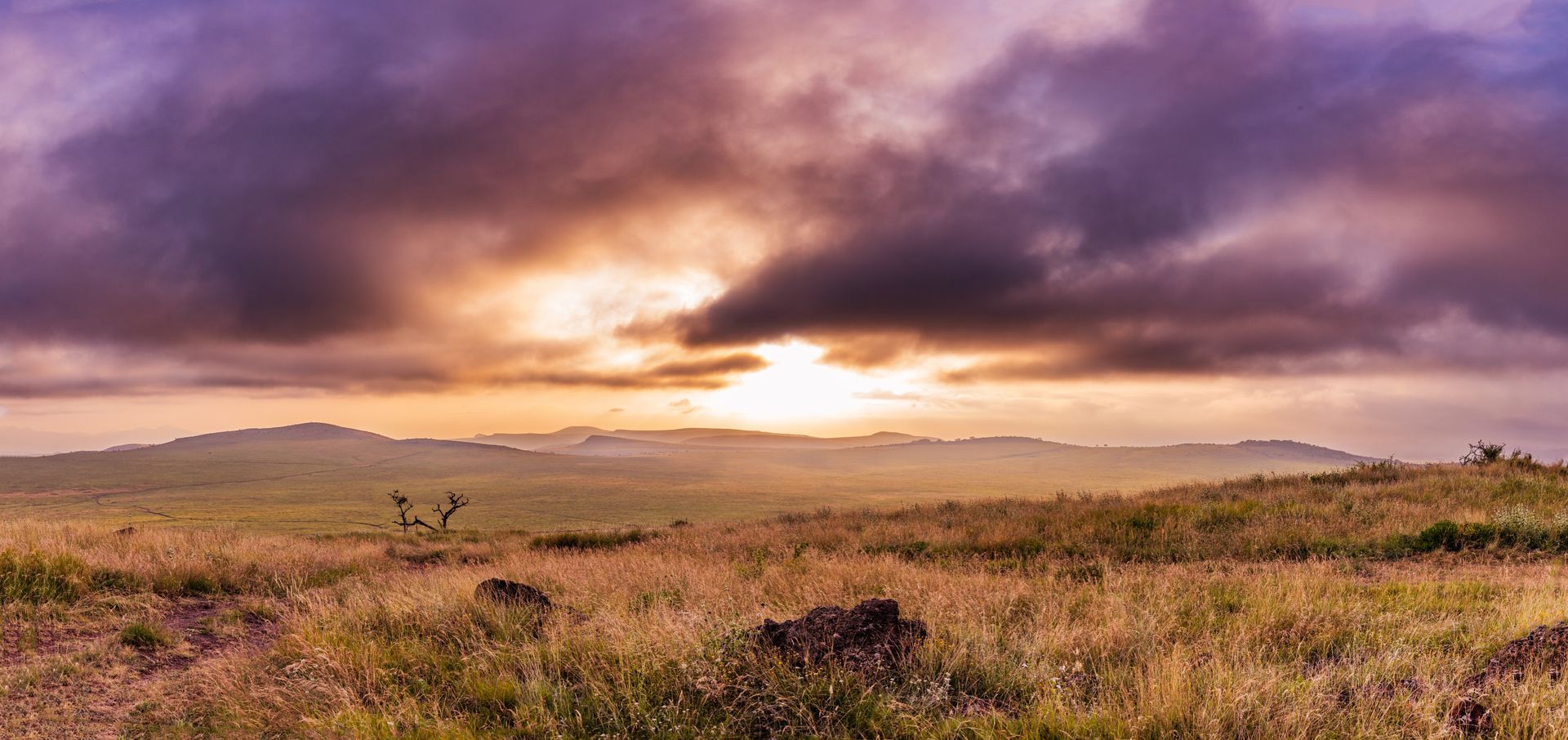
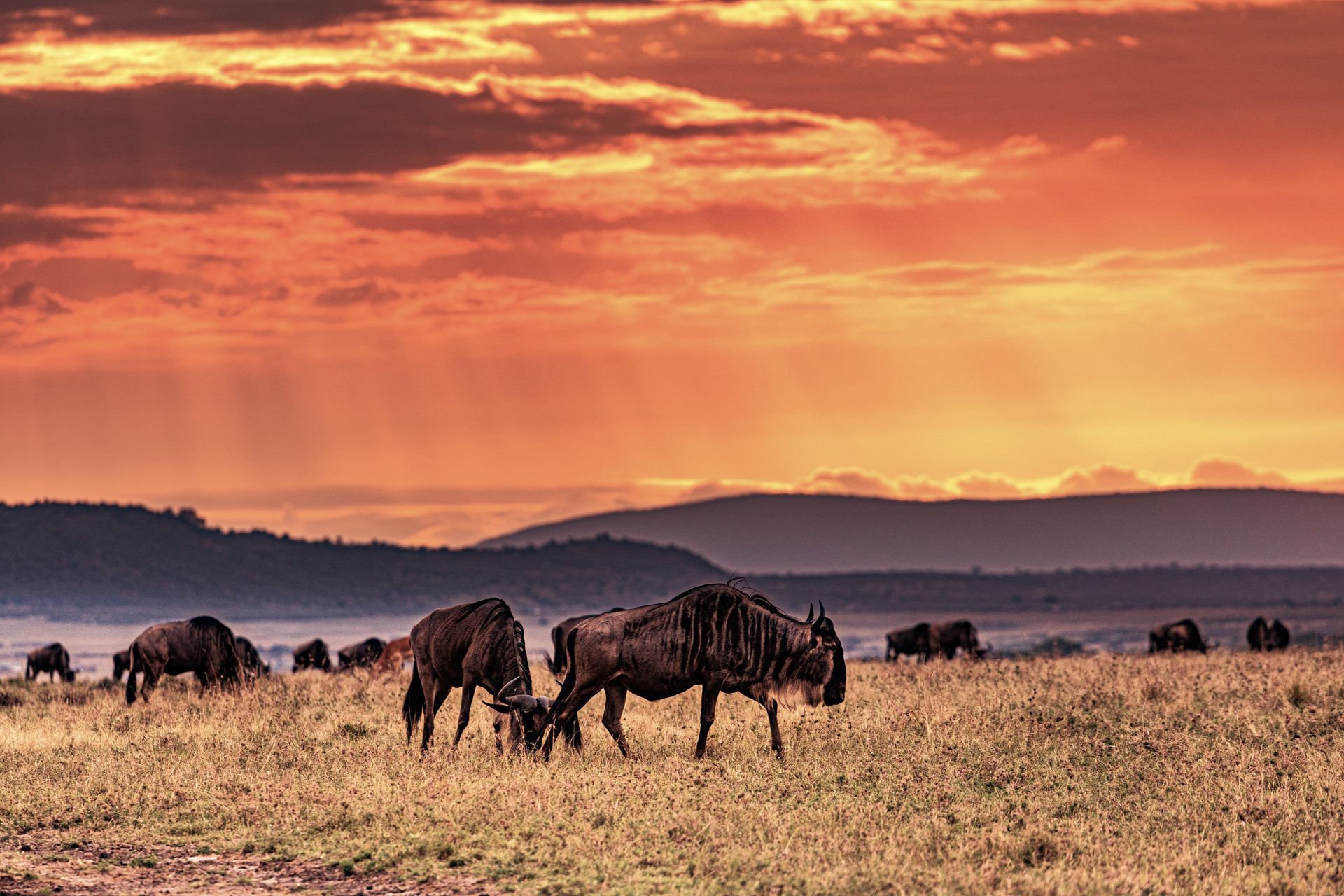
East Africa's grasslands are often where first impressions of safari are formed. In places like the Masai Mara and the Serengeti, the land opens out into sweeping savannahs where visibility stretches for kilometres. This sense of space defines the experience. Wildlife sightings often begin at a distance, a line of wildebeest moving across the horizon or a lone giraffe silhouetted against the sky.
Game drives here are about anticipation as much as immediacy. Predators rely on stealth and strategy rather than cover, and travellers learn to read the land, watching for subtle signs like birds gathering or herbivores suddenly becoming alert.
The savannahs of the great plains deliver some of East Africa’s most iconic moments. Large herds, dramatic predator encounters and seasonal migrations all play out on this open stage. It is immersive, cinematic and deeply grounding, especially at dawn and dusk when the light softens and the plains seem endless.
Texture and perspective
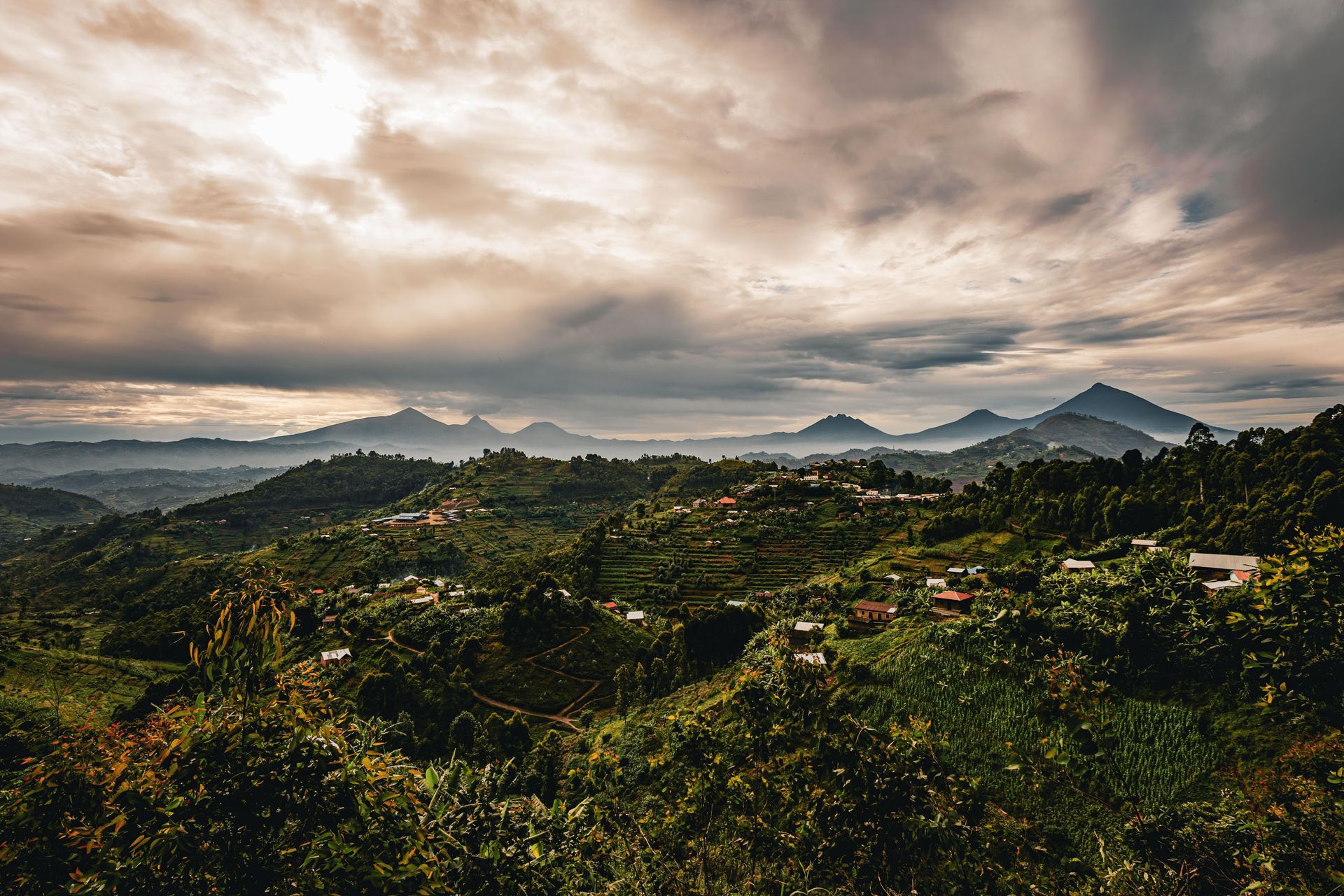
Move away from the plains and the landscape begins to rise. In areas like the Ngorongoro Highlands or parts of northern Tanzania and Kenya, and, of course, Rwanda, rolling hills, escarpments and volcanic features introduce a new rhythm to safari travel.
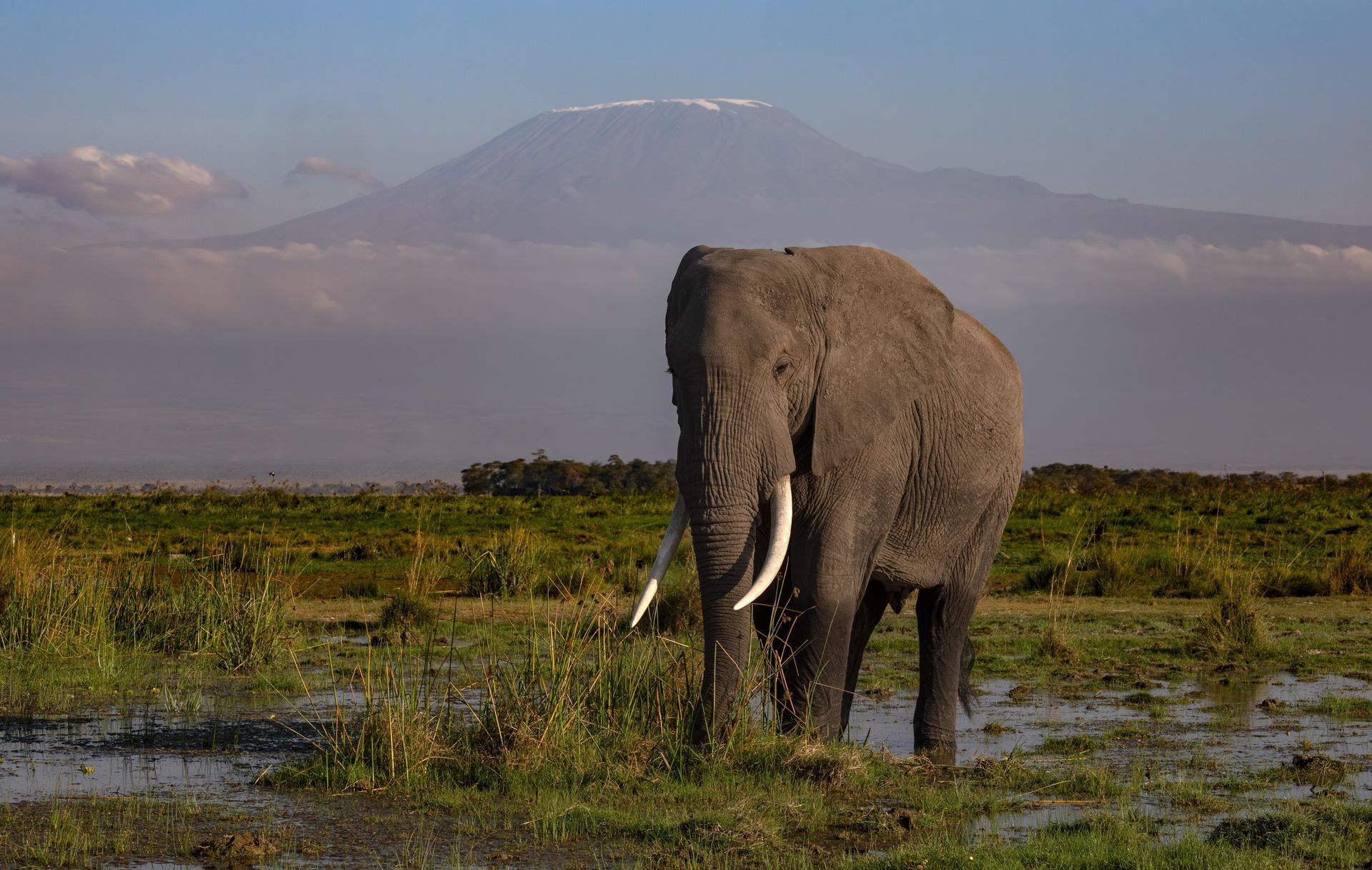
These regions often feel cooler and greener, with layered views and a strong sense of place. Wildlife sightings here are often framed by dramatic backdrops rather than open horizons. Elephants move through forested slopes, buffalo gather in crater floors, mountain gorillas feed in groves of bamboo and birdlife flourishes in varied habitats.
The change in elevation brings a shift in pace. Days often include scenic drives, walking opportunities and cultural encounters that add context to the environment. These landscapes act as a bridge between the openness of the savannah and the intimacy of the forests further west.
Intimacy and immersion
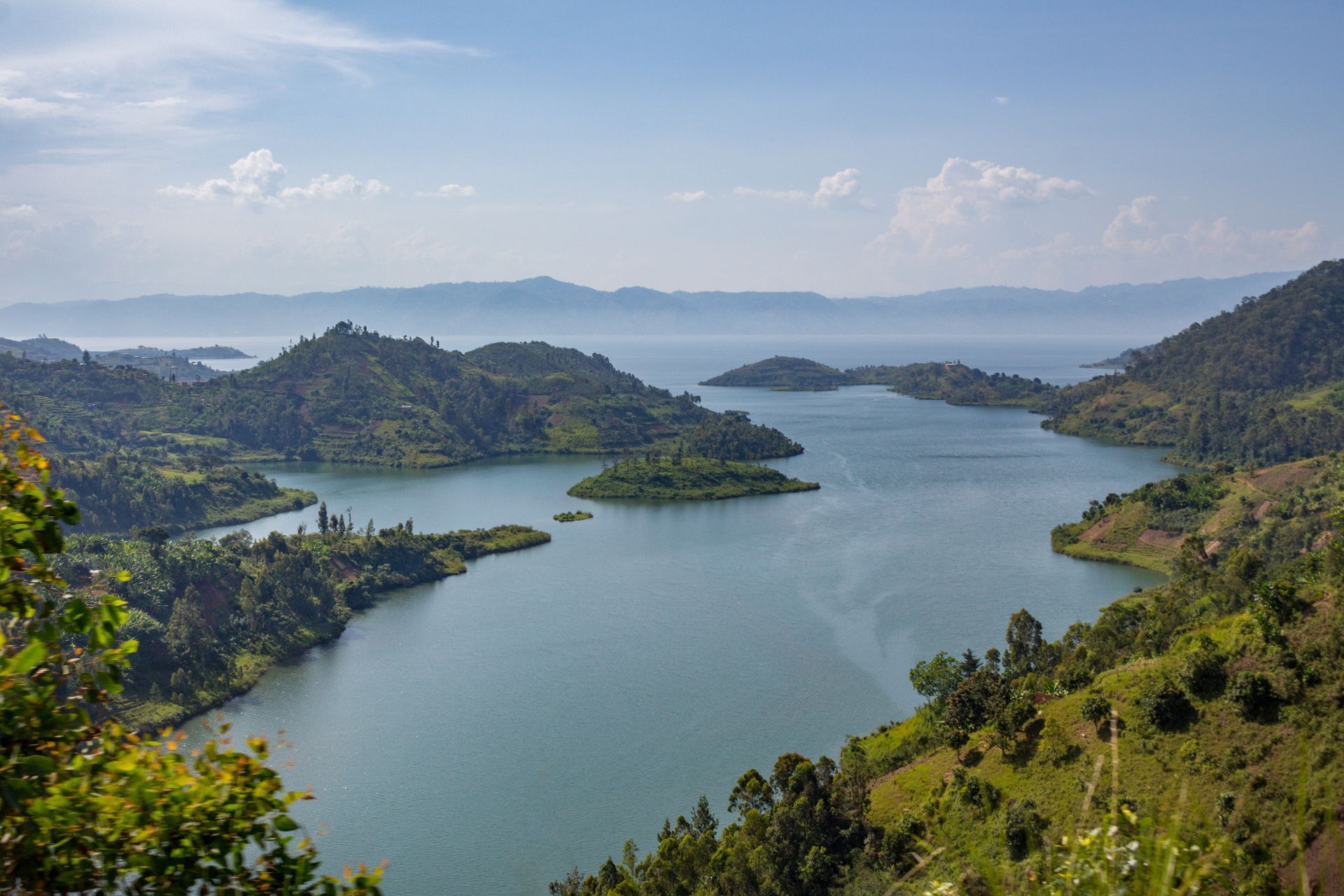
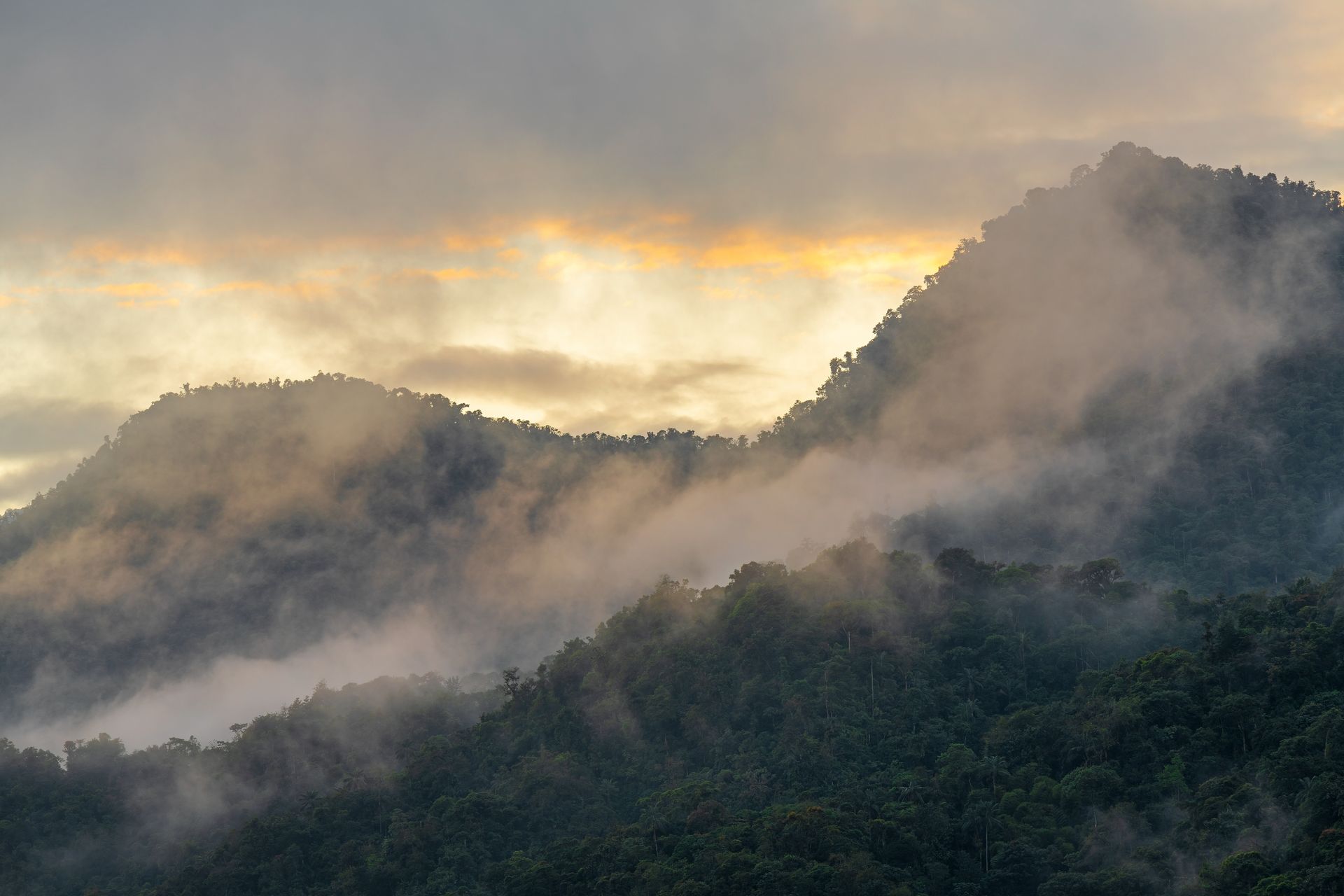
In Rwanda, the safari experience changes completely. Volcanoes National Park and Nyungwe Forest are defined by dense vegetation, filtered light and close quarters. Here, travel is slower and more focused. Wildlife encounters are intimate rather than expansive.
Gorilla trekking in the Virunga Mountains is one of the most powerful wildlife experiences in Africa. Moving through dense forest, guided by trackers who read the land with extraordinary skill, builds a sense of anticipation that is very different from a game drive. When a gorilla family is finally encountered, the moment feels personal and deeply moving.
Nyungwe Forest offers another layer of immersion. Chimpanzee trekking, forest walks and canopy viewpoints reveal an ecosystem that is alive with sound and movement. The rainforest teaches patience and attentiveness. Every step reveals detail rather than distance.
Life drawn to water
Across Kenya and Tanzania, rivers, lakes and seasonal wetlands create pockets of intense wildlife activity. These areas feel dynamic and ever changing, shaped by rainfall and migration patterns. Hippos, crocodiles and waterbirds dominate these environments, while predators often patrol the edges, drawn by prey concentrations.
Game viewing here can feel dramatic and unpredictable, particularly during dry periods when water becomes a magnet for life.
These landscapes offer contrast and variety, breaking up long days on the plains and adding ecological depth to a safari itinerary.
A coastal pause
After days shaped by early mornings, dust and wildlife encounters, Kenya's coastline and the islands of Zanzibar offer a completely different sensory experience. Beaches, coral reefs and historic towns provide space to slow down and reflect.
Zanzibar is not simply a place to rest. It is rich in culture, history and natural beauty. Stone Town reveals layers of Swahili, Arab and European influence, while the coastline invites unstructured time shaped by tides rather than schedules.
For many travellers, East Africa's coast is the perfect complement to safari. The contrast between bush and beach sharpens appreciation for both. After tracking wildlife on the savannah or in the forest, the sound of the ocean and the rhythm of island life bring balance to the journey.
Why landscape matters
Each of these environments shapes not only what travellers see, but how they feel. Open plains encourage perspective and awe. Forests foster connection and humility. Coastlines invite rest and reflection. By moving through different landscapes, a safari becomes more than a wildlife experience. It becomes a journey through ecosystems, cultures and ways of being. The contrasts heighten awareness and create lasting memories that are as emotional as they are visual.
At Leadwood Holidays, we design safaris that celebrate this diversity. By thoughtfully combining savannah, forest, highland and coast, we help travellers experience East Africa in all its complexity and beauty. It is this movement between landscapes that turns a great safari into a truly transformative journey.