
EAST AFRICA'S MISUNDERSTOOD MARVELS
Why the humble hyena deserves respect
Few creatures in the East African wilderness spark as much fascination and fear as the spotted hyena. Often dismissed as scavengers or portrayed as villains in popular culture, these remarkable animals are far more complex than the stereotypes suggest. Intelligent, social, and supremely adaptable, hyenas thrive across Tanzania’s Serengeti plains, Kenya’s Maasai Mara, and the rolling hills of Rwanda’s Akagera National Park. Learning to see them for what they truly are offers a richer understanding of the savannah, the highlands, and the delicate balance of life that defines this region...
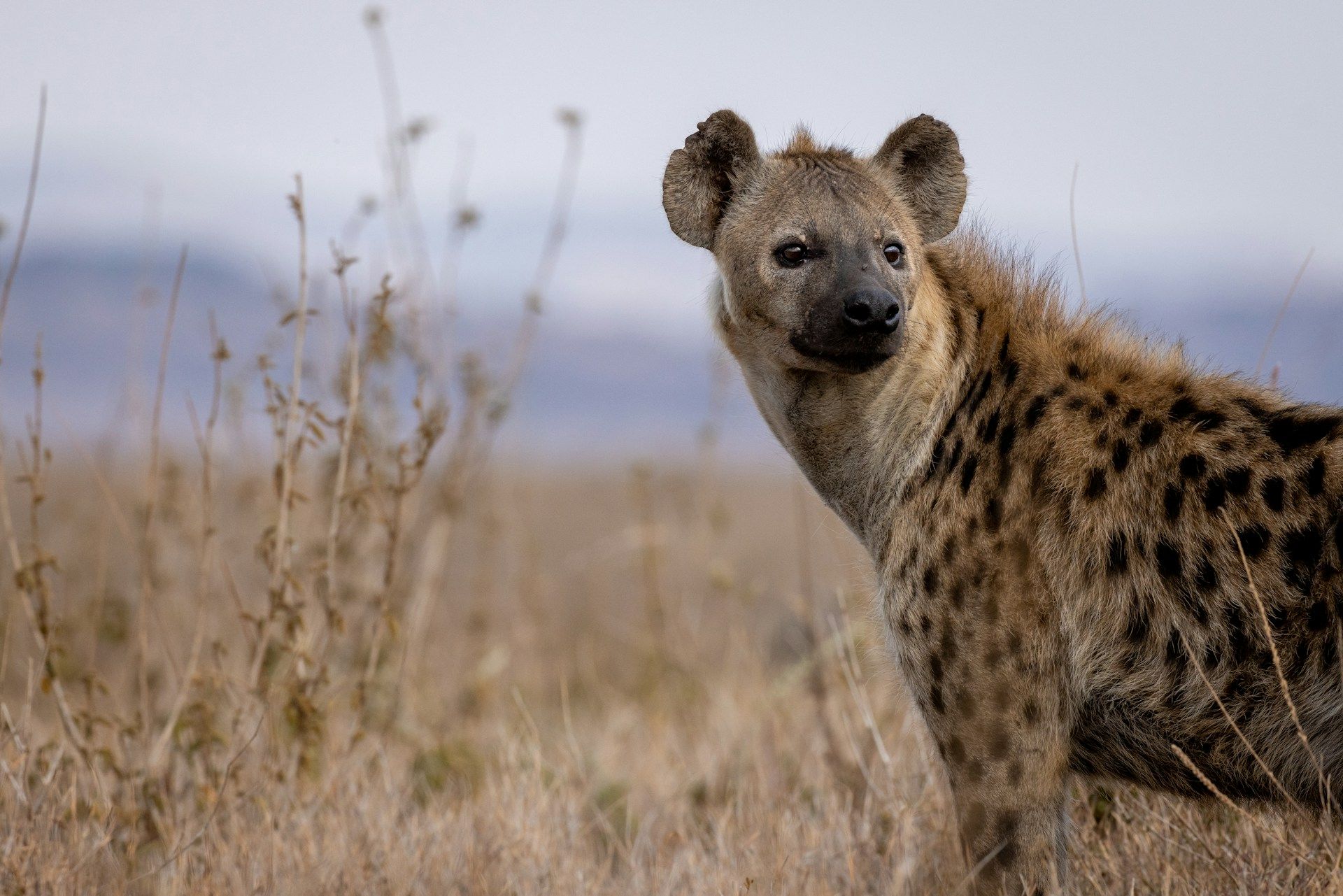
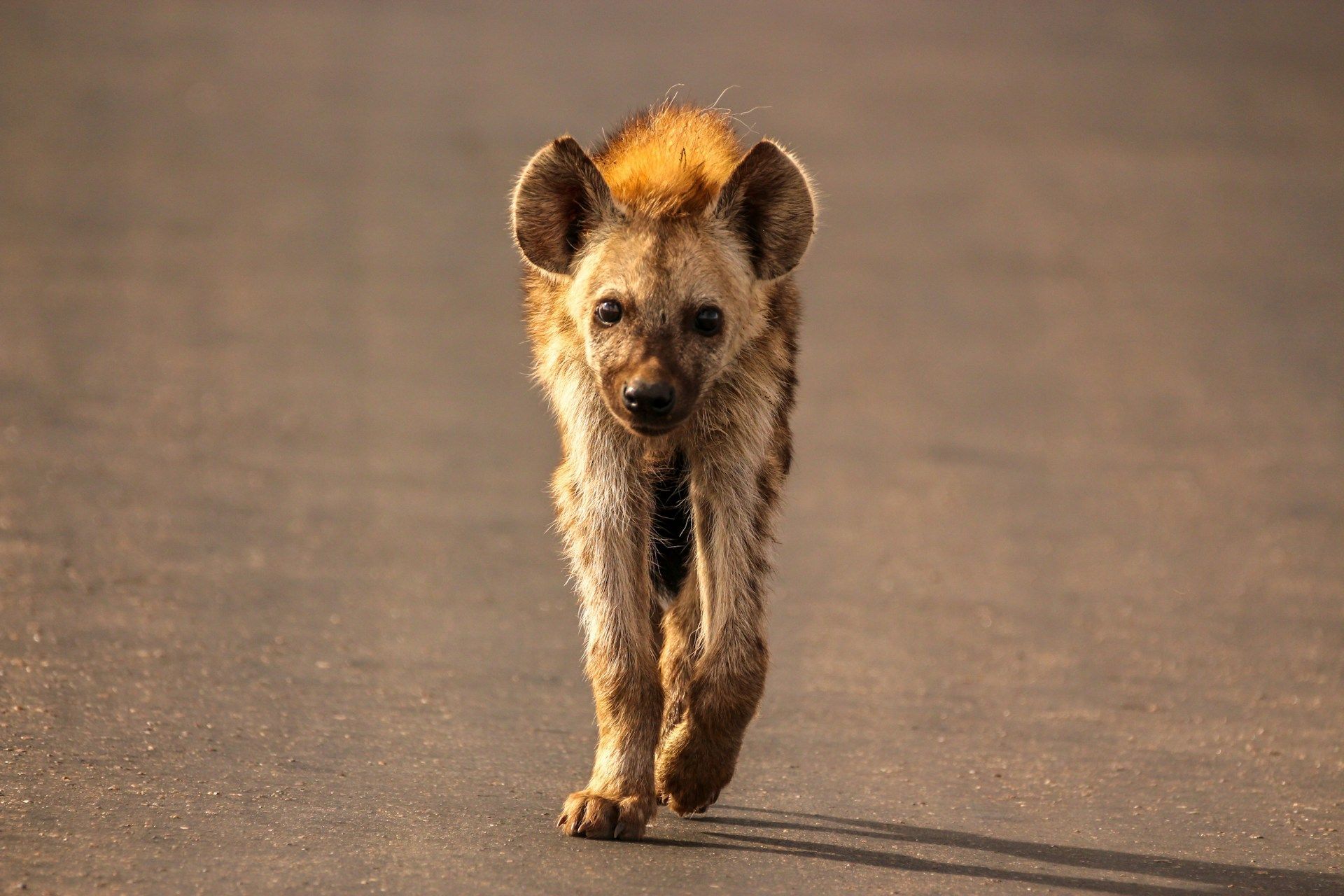
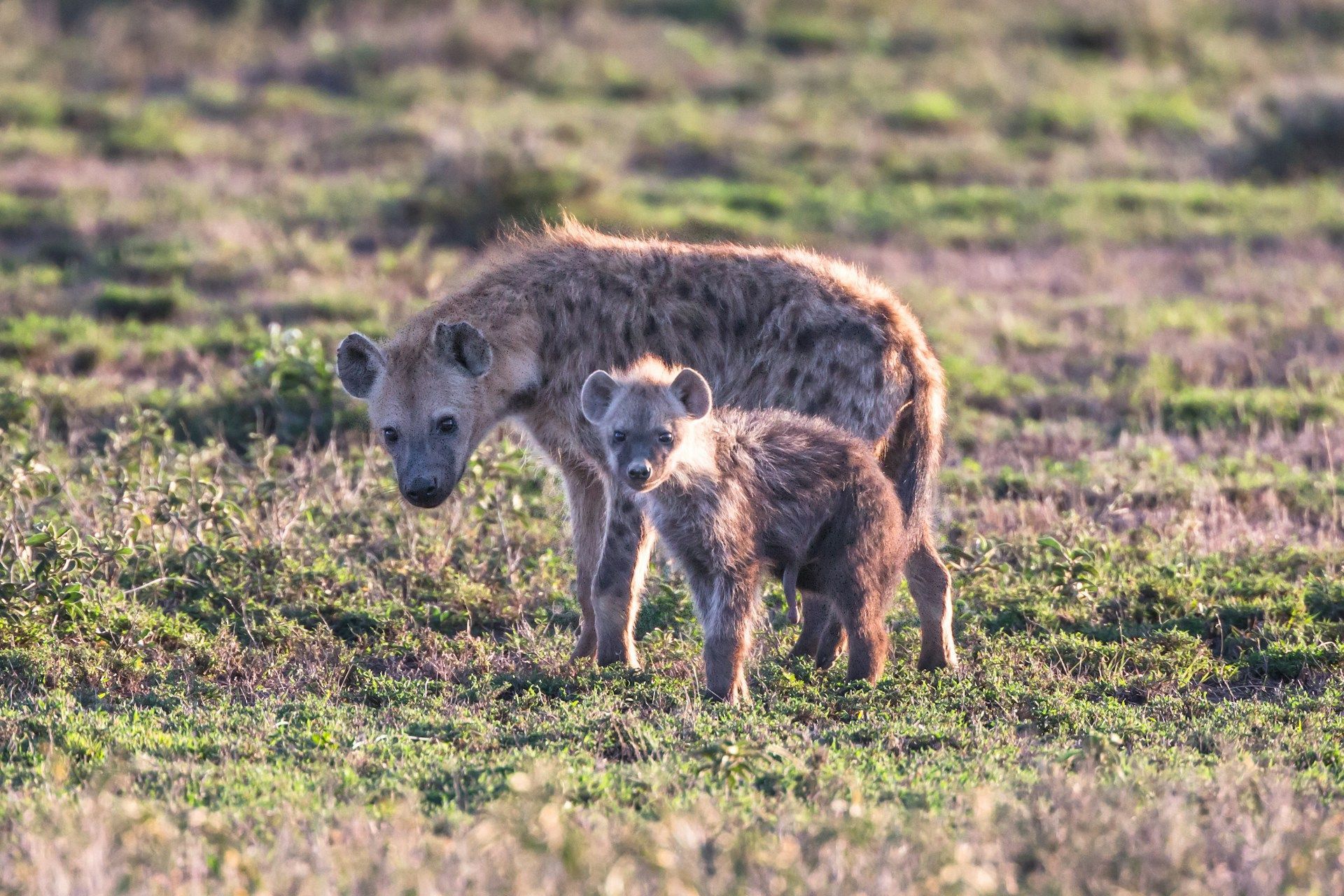
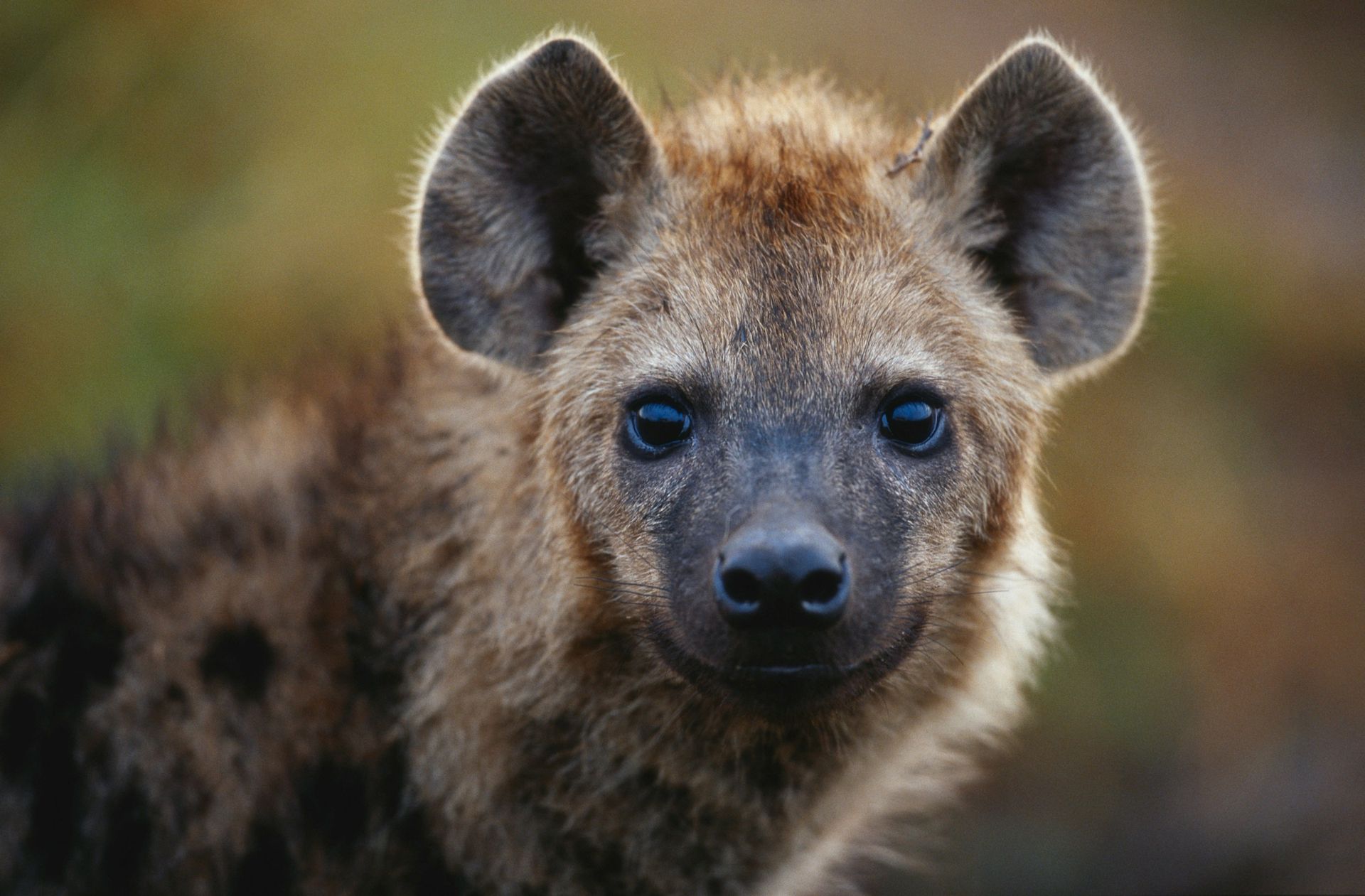
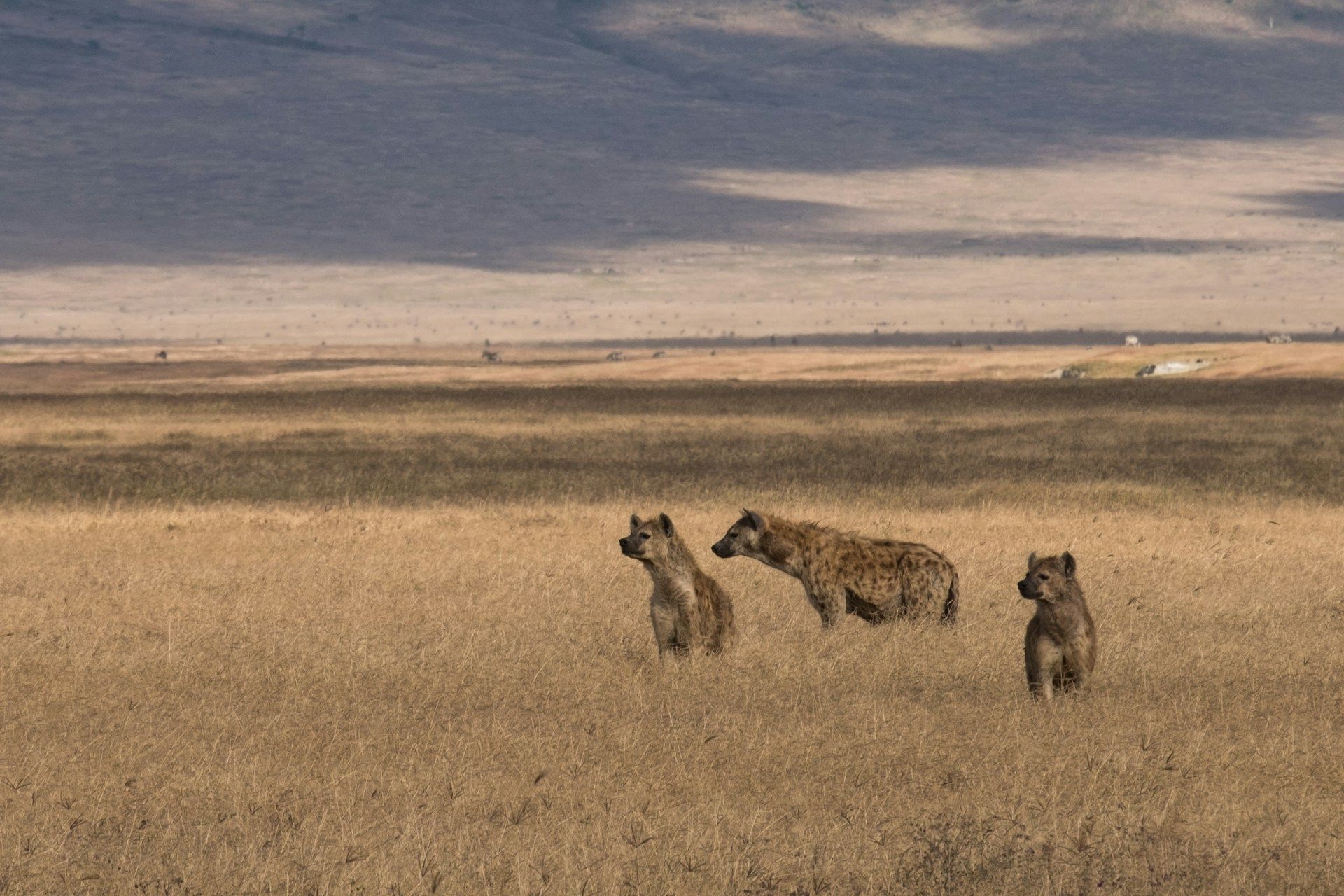
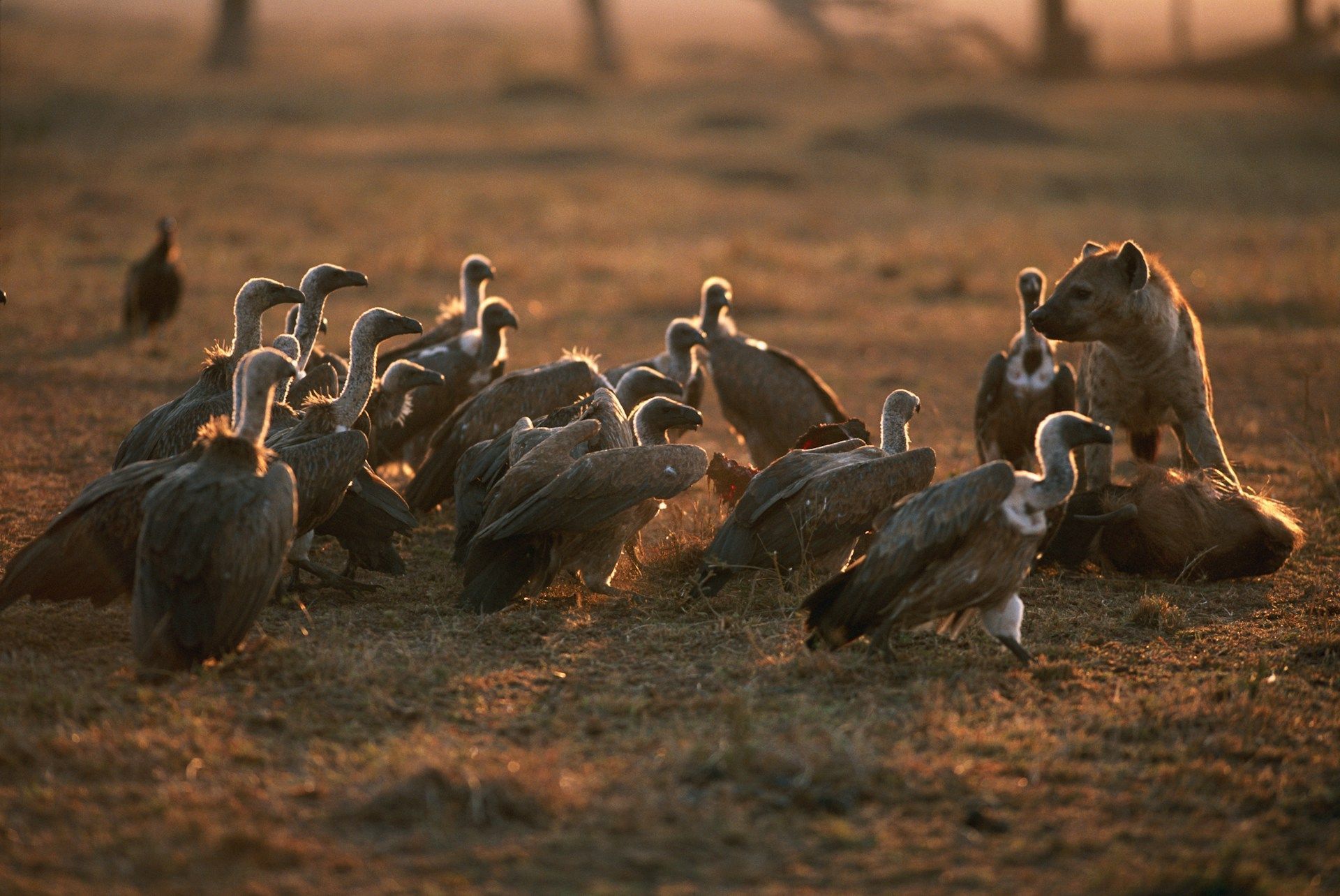
In Tanzania’s Serengeti, spotted hyenas roam alongside migrating wildebeest and zebra, covering kilometres each night as they hunt, scavenge, and maintain social bonds. In Kenya’s Maasai Mara, their haunting calls echo across golden plains, sometimes drawing attention to a freshly taken wildebeest calf. Even in Rwanda’s Akagera, where woodlands meet open savannah, hyenas play a crucial role in controlling herbivore populations and scavenging carcasses that might otherwise attract disease.
Across these diverse landscapes, hyenas demonstrate remarkable adaptability, thriving wherever prey and water can be found.
Social complexity is a hallmark of spotted hyenas. They live in clans of up to 80 individuals, with a strict hierarchy led by dominant females. In East Africa, these matriarchs oversee hunts, settle disputes, and guide younger clan members. Their leadership is essential for survival, as hunting often involves careful coordination.
Male hyenas, though subordinate, contribute by defending territory, assisting in hunts, and forming alliances that can influence future mating opportunities. The clan functions as a single, intricate unit – a society as sophisticated and interconnected as any human village.
Intelligence is central to the hyena’s survival. Hyenas have been observed problem-solving in ways that rival primates, recalling past events and adjusting strategies based on experience. In Tanzania, they navigate the seasonal movements of the great migration, taking advantage of the herds while avoiding conflict with lions. In Kenya, they may cleverly exploit opportunities when larger predators have left, snatching a meal without risking confrontation. In Rwanda, they negotiate dense woodland terrain with skill and stealth, highlighting their adaptability.
Despite their reputation, spotted hyenas are far from mere scavengers. They are formidable hunters, capable of bringing down prey larger than themselves, including wildebeest, zebra, and even young buffalo. Hyenas hunt in co-ordinated groups, using endurance, strategy, and relentless persistence. Their famously powerful jaws can crush bone, granting access to nutrients unavailable to other predators. This ability is not just about survival; it is an ecological service, preventing waste and maintaining balance in East Africa’s complex ecosystems.
The social life of hyenas is surprisingly tender. Mothers are fiercely protective, nursing cubs for over a year and teaching them how to hunt, communicate, and navigate the clan hierarchy. Cubs are playful, curious, and highly interactive, forming bonds that influence the social order for years to come. Observing them in the Mara or Serengeti, young hyenas can be seen tussling, exploring termite mounds, or following older siblings on cautious hunting forays. These moments reveal a side of hyenas that is rarely portrayed in folklore or film and show them to be intelligent, social, and affectionate.
Human perceptions of hyenas in East Africa are often shaped by fear and myth. Folktales across Maasai and Swahili cultures cast hyenas as cunning or malevolent, yet in reality they are cautious, intelligent, and essential components of their ecosystems. By controlling herbivore numbers, scavenging carrion, and competing with other predators, hyenas maintain the delicate equilibrium of the savannah, highlands, and woodland mosaics. Without them, populations of prey species could spiral, vegetation patterns could shift, and the iconic balance of East African landscapes would be altered.
Witnessing a hyena clan in the wild is an experience that challenges expectations. By day, they may rest in the shade of acacia trees or woodland edges, alert but quiet. By night, their calls echo across plains and hills, an intricate symphony of social signals. Each call, movement, and interaction tells a story of survival, cooperation, and cunning intelligence. In the Serengeti, one can watch a clan manoeuvre around a herd of migrating wildebeest. In the Mara, they may compete with lions, stealing opportunities with clever timing. In Akagera, their adaptability to woodland terrain and human presence is on full display.
Spotted hyenas may “laugh,” but it is not at us. It is the sound of life enduring in all its complexity, of creatures thriving through intelligence, cooperation, and adaptability. Far from the villains of myth, they are masters of East Africa’s wilderness, guardians of ecological balance, and performers in a drama that blends strategy, endurance, and family devotion. Understanding them is not just about correcting misconceptions; it is about recognising a vital part of Tanzania, Kenya, and Rwanda’s natural heritage and learning to appreciate life in forms that may at first seem strange or intimidating.
In the end, the hyena teaches a valuable lesson: brilliance and resilience in the wild often come in unexpected forms. They challenge assumptions, reward observation, and invite a deeper respect for the ecosystems they help sustain.