
WHY GREAT GUIDING TRANSFORMS A SAFARI
Safari guides connect you directly to the East African wilderness
A safari is often described through its wildlife. Lions on the plains, elephants moving through acacia woodland, or a leopard resting in the shade of a tree. Yet behind almost every memorable sighting is someone who made that moment possible. A great safari guide does far more than drive a vehicle. They interpret the landscape, read the behaviour of animals, and help travellers understand the natural world unfolding around them. And for many guests, the guide becomes the most important part of the safari experience...
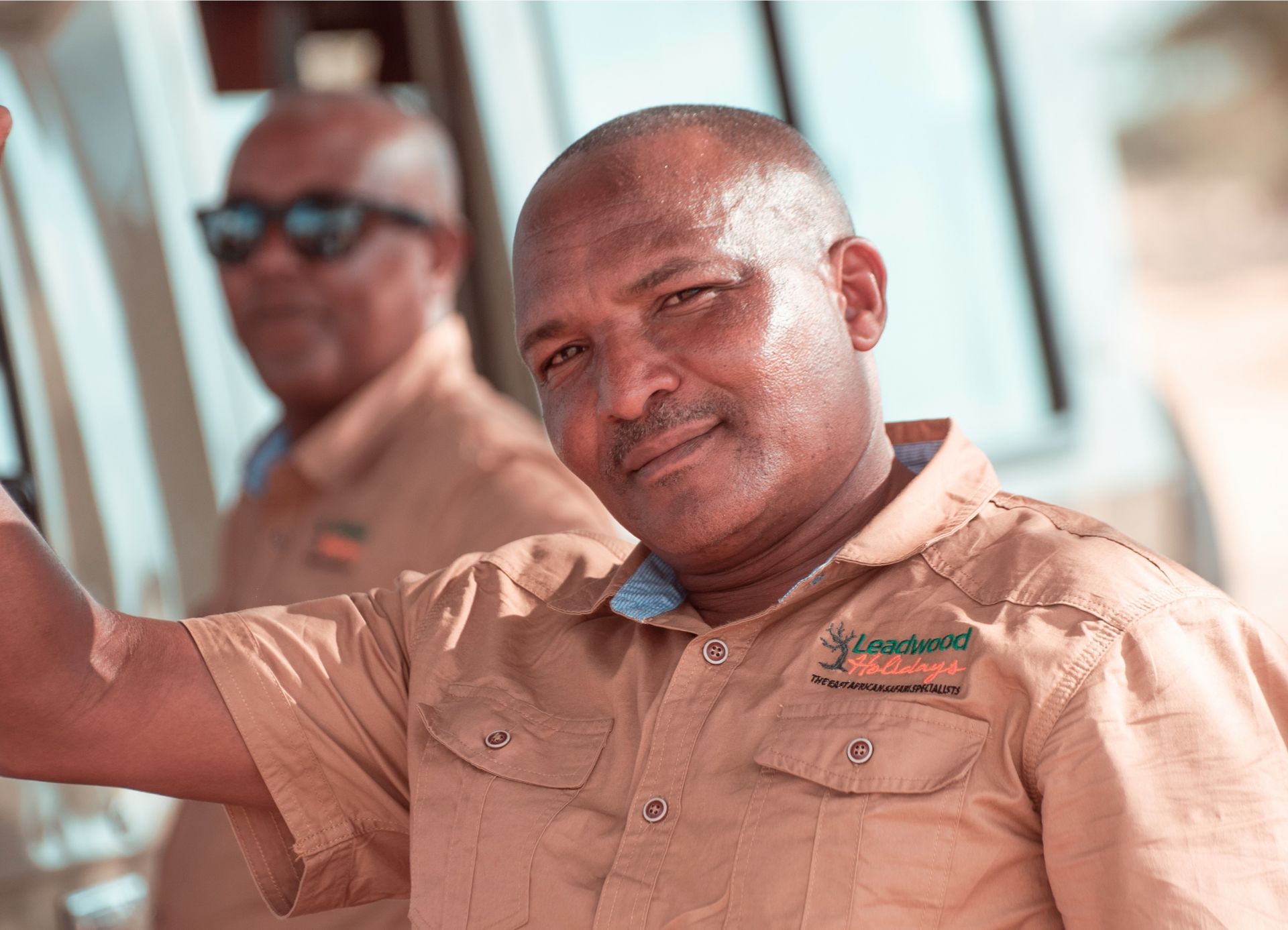
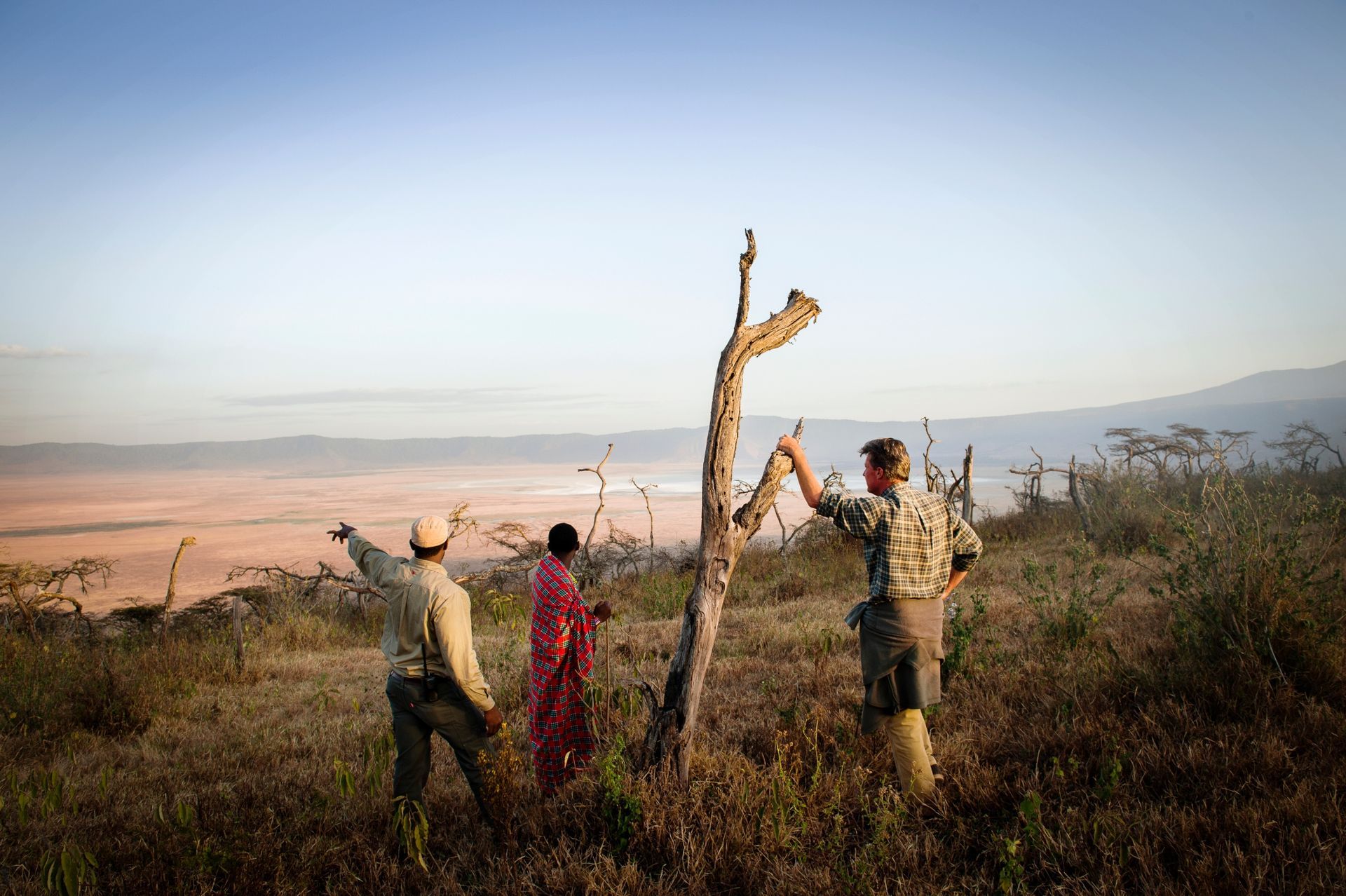
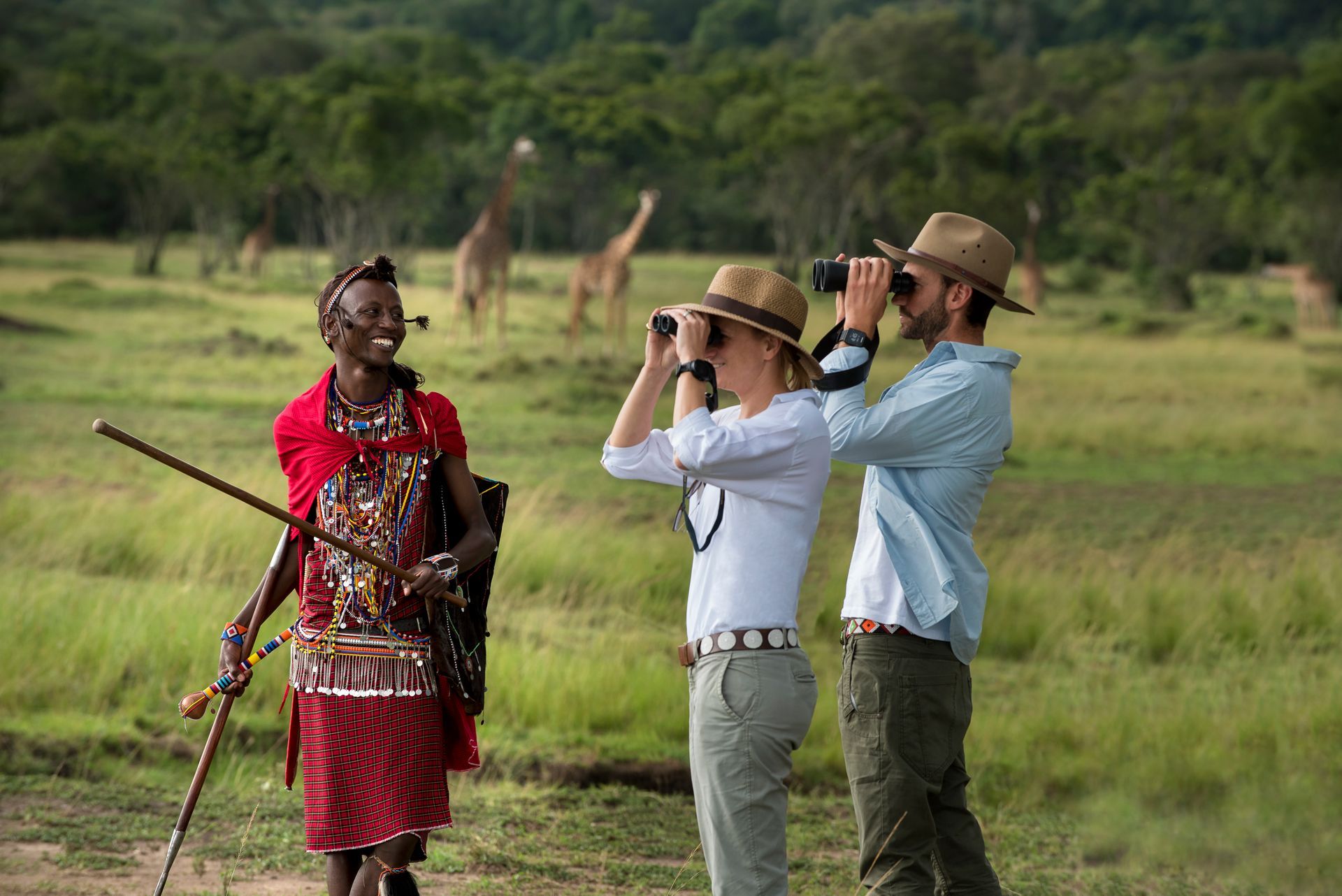
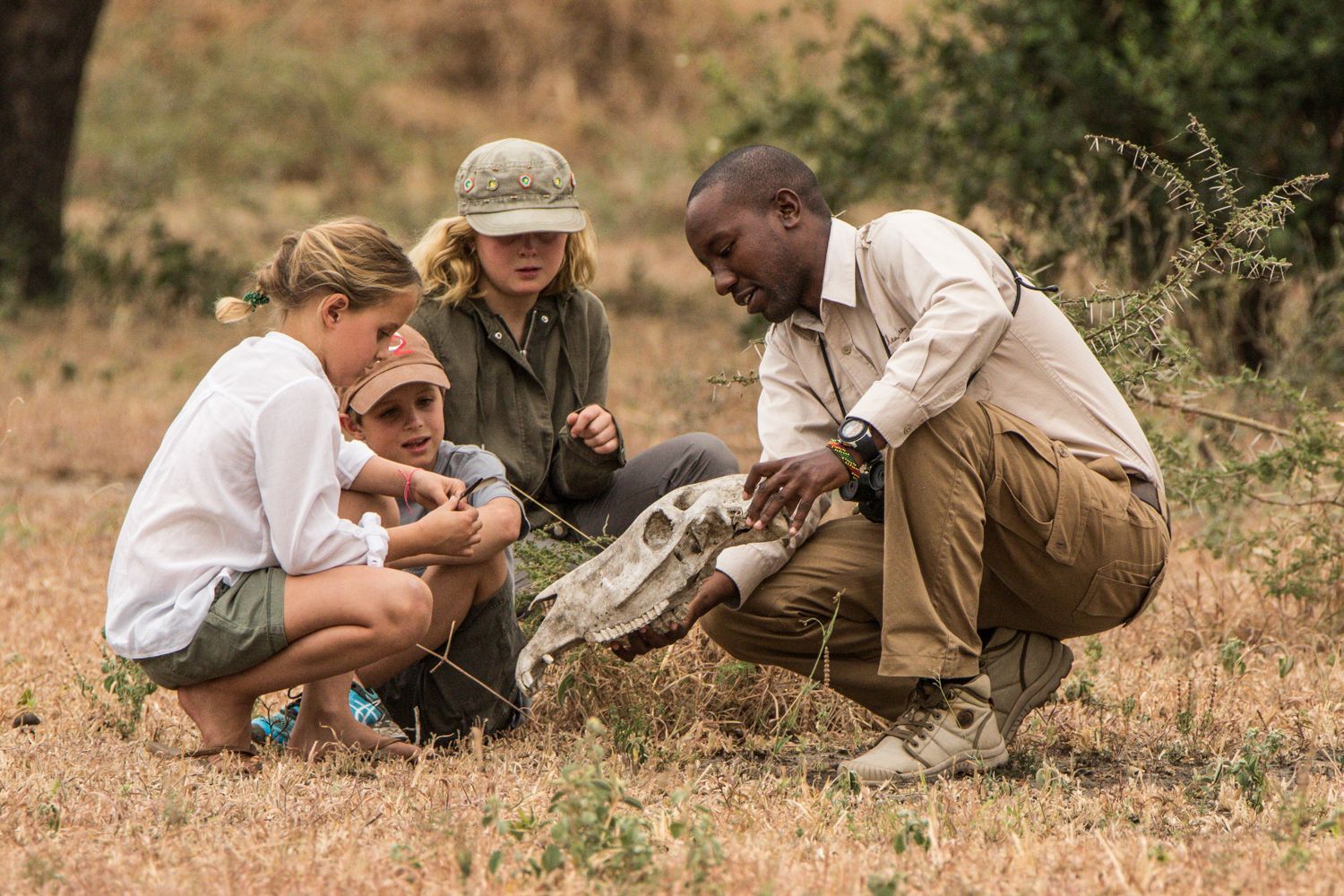
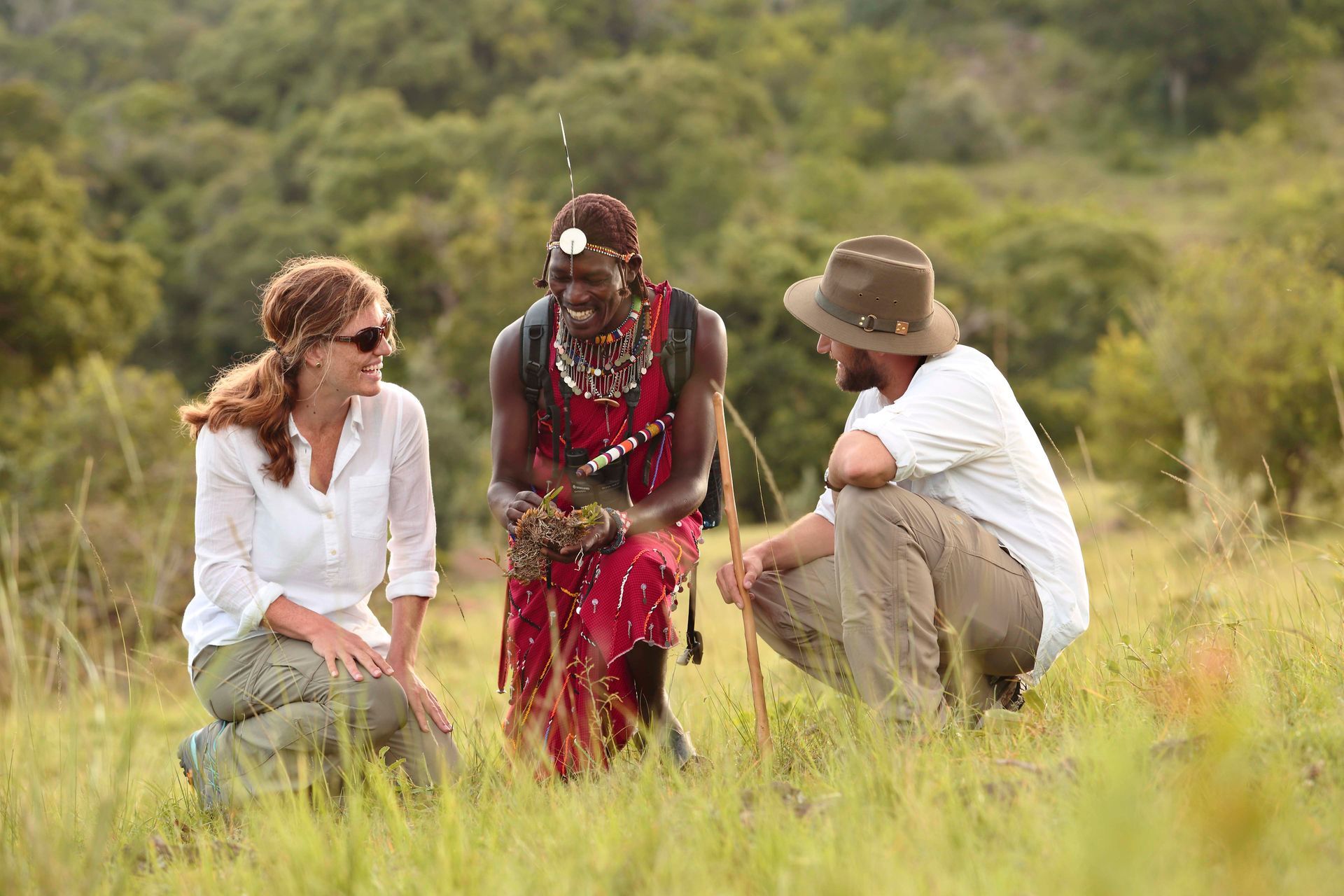
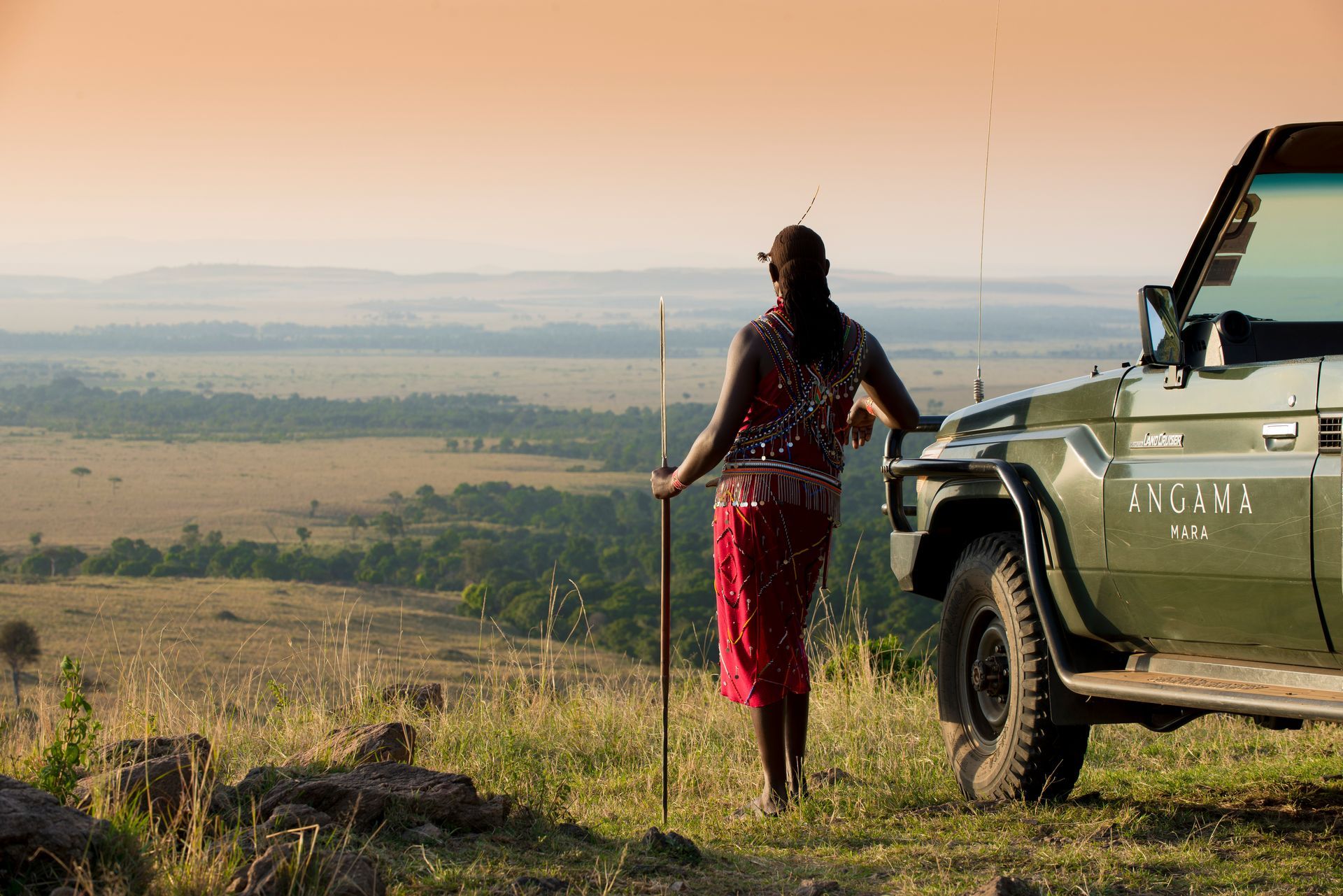
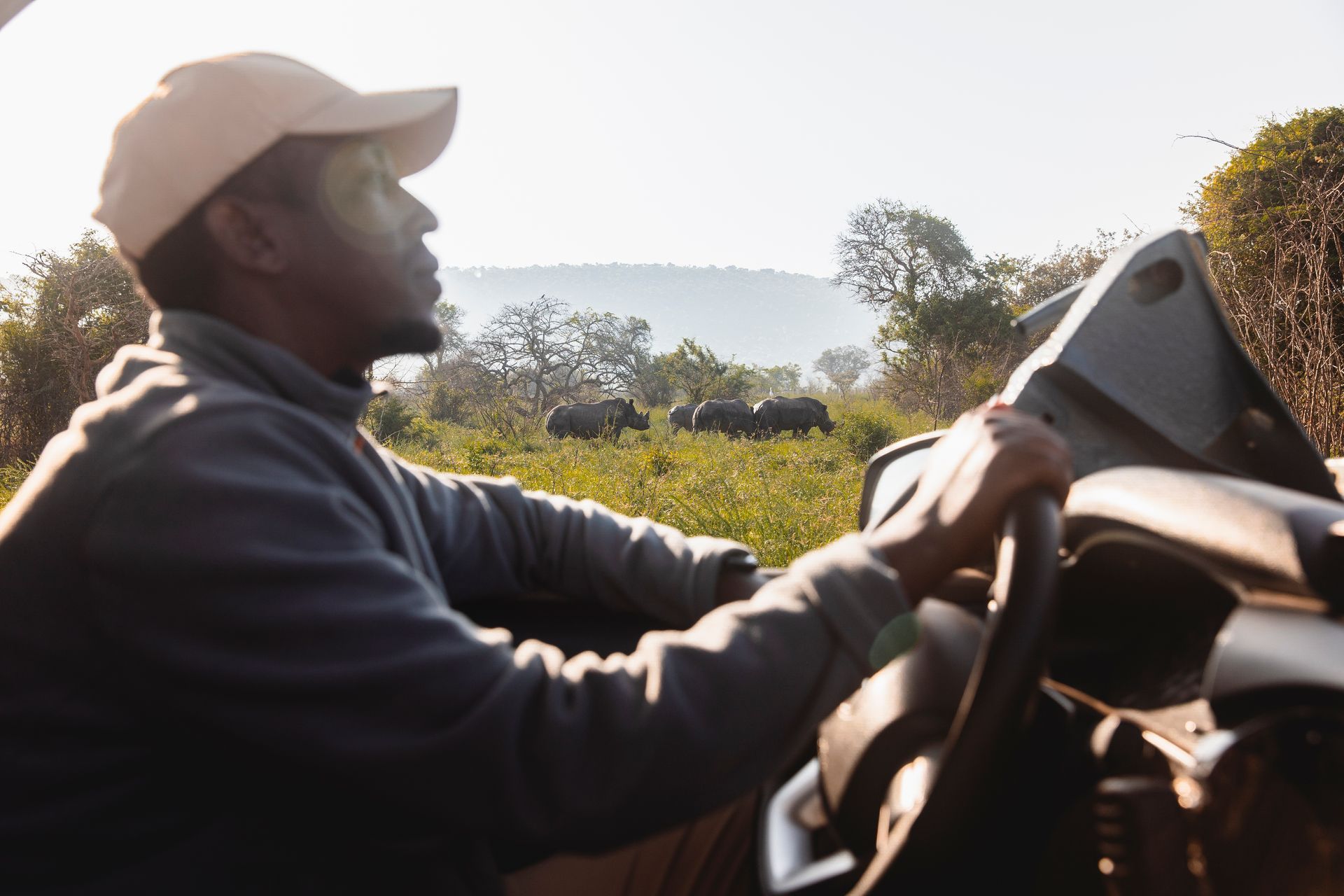
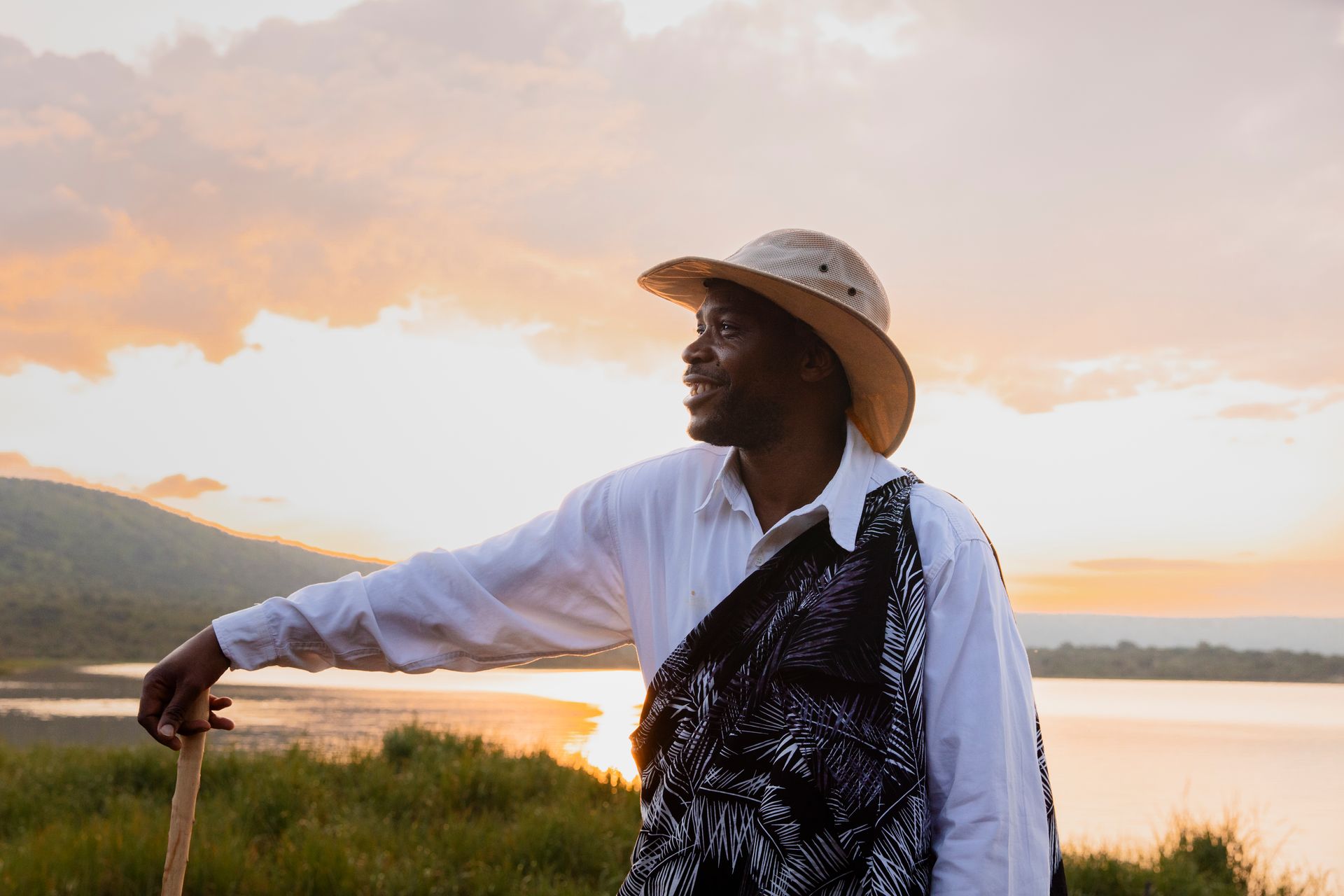
Across East Africa, professional guides undergo years of training and field experience. Their knowledge covers wildlife behaviour, ecology, birdlife, plant identification and conservation. Just as importantly, they learn how to read the subtle clues that most people would miss entirely. A set of fresh tracks on a dusty road, the alarm call of a distant antelope, or birds circling quietly above the grasslands can all point towards a hidden predator.
This ability to interpret the environment turns an ordinary game drive into something far richer.
In the open plains of the Masai Mara or the Serengeti, for example, wildlife can sometimes appear abundant and easy to find. Large herds of wildebeest or zebra move across the savannah and predators follow closely behind. Yet even here, guiding skill plays a crucial role. A knowledgeable guide understands the seasonal patterns that shape these landscapes. They know where predators are likely to rest during the heat of the day, where herbivores gather in the early morning, and which river crossings the migrating herds are approaching.
Timing and positioning are everything. A guide who understands animal behaviour can place guests in exactly the right spot before the action unfolds.
Guides also shape how travellers experience a sighting. Without interpretation, a pride of lions resting beneath a tree may seem quiet or uneventful. A good guide explains the social dynamics of the pride, the hierarchy among individuals and the role of the lionesses as hunters. They may point out subtle interactions between the cubs or describe how the pride works together during a hunt.
Suddenly the scene becomes a story rather than simply a photograph.
Great guiding is not limited to large animals either. In fact, some of the most rewarding moments on safari involve smaller details that might otherwise be overlooked. A guide may stop the vehicle to examine the tracks of a honey badger, show guests a colourful chameleon hidden in the branches, or explain how certain trees survive in harsh conditions.
These moments deepen a traveller’s understanding of the ecosystem as a whole.
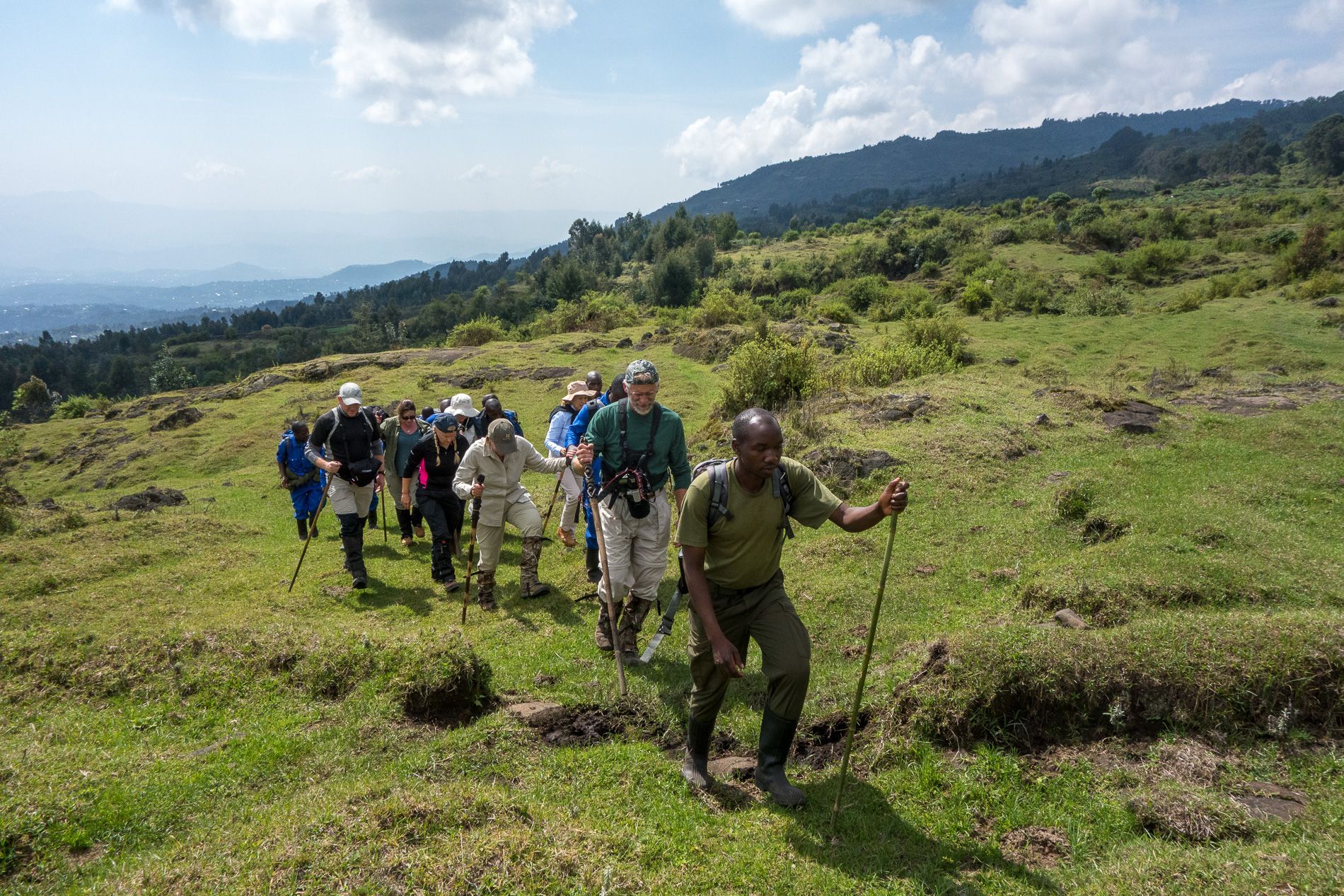
In forest environments such as Rwanda’s Volcanoes National Park or Nyungwe Forest, the role of guides becomes even more essential. Trekking to see gorillas or chimpanzees requires the knowledge of trackers and rangers who understand the movements of these primates and the terrain they inhabit. Each morning, teams set out ahead of visitors to locate the groups before guiding trekkers through dense vegetation.
This partnership between guides, trackers and conservation teams ensures both visitor safety and the protection of the animals.
Guides also act as cultural ambassadors. Many come from communities that live close to the parks and reserves where they work. They share stories about local traditions, landscapes and conservation efforts that shape life in these regions. Conversations during a game drive often extend far beyond wildlife, offering insights into daily life in East Africa and the importance of protecting these environments for future generations.
For travellers, this human connection adds another dimension to the journey.
Patience is another quality that defines exceptional guides. Wildlife does not follow a schedule, and not every game drive brings dramatic sightings. Experienced guides understand how to create a rewarding experience even during quieter moments. They adjust routes, explore different habitats and use their knowledge of the environment to keep each drive engaging and varied.
Over time, guests begin to notice details they would previously have missed. The rhythm of the landscape becomes clearer. The calls of birds, the behaviour of antelope and the movement of clouds across the plains all begin to tell a story.
Perhaps the greatest sign of a skilled guide is how effortlessly they share their knowledge. The best guides do not overwhelm guests with information. Instead, they allow curiosity to lead the conversation, answering questions and encouraging observation. Their enthusiasm is contagious, turning each sighting into a moment of discovery.
By the end of a safari, many travellers realise that the guide has shaped their experience as much as the wildlife itself.
At Leadwood Holidays, we work with exceptional guiding teams across East Africa. Their expertise, patience and passion ensure that every safari is more than a series of sightings. It becomes an exploration of landscapes, ecosystems and the remarkable creatures that call them home.
Because in the end, a safari is not only about where you go. It is about who helps you see it.
Find out more about our team of talented guides here.